Page 9 of 24 – Recent Articles
485 posts
Telemedicine Workflow: Key Steps for Virtual Healthcare Success
Telemedicine Workflow: Key Steps for Virtual Healthcare Success Expert medical care at home – telemedicine indeed has made this impossible possible! Telemedicine has transformed healthcare delivery by making it more accessible, efficient, and patient-centered. Behind this successful virtual consultation lies a well-defined telemedicine workflow. A telemedicine workflow is...

Teleradiology Workflow: How Is It Bridging Gaps In Modern Radiology?
Teleradiology Workflow: How Is It Bridging Gaps In Modern Radiology? A teleradiology workflow is the end-to-end process that moves a medical imaging study from acquisition at the originating facility through secure transmission, remote interpretation by a radiologist, and delivery of the diagnostic report back to the referring physician. It is...

Teleradiology Benefits: 7 Reasons Hospitals and Imaging Centres Adopt It in 2026
Teleradiology Benefits: 7 Reasons Hospitals and Imaging Centres Adopt It in 2026 Teleradiology — the electronic transmission of radiological images from the originating site to a qualified radiologist at a remote location for diagnostic interpretation — has moved from experimental capability to standard infrastructure across US hospitals and imaging centers. The American...

Teleradiology Solutions: Swift, Smart, and Smooth Radiology Services
Teleradiology Solutions: Swift, Smart, and Smooth Radiology Services Have you ever dreamed of getting expert diagnoses from radiologists thousands of miles away? Well, with teleradiology solutions, your dream can come true. Teleradiology solutions connect healthcare providers with radiologists remotely. They provide secure data sharing and real-time interpretations of...

Telehealth vs Telemedicine: Key Differences, Examples, and Billing
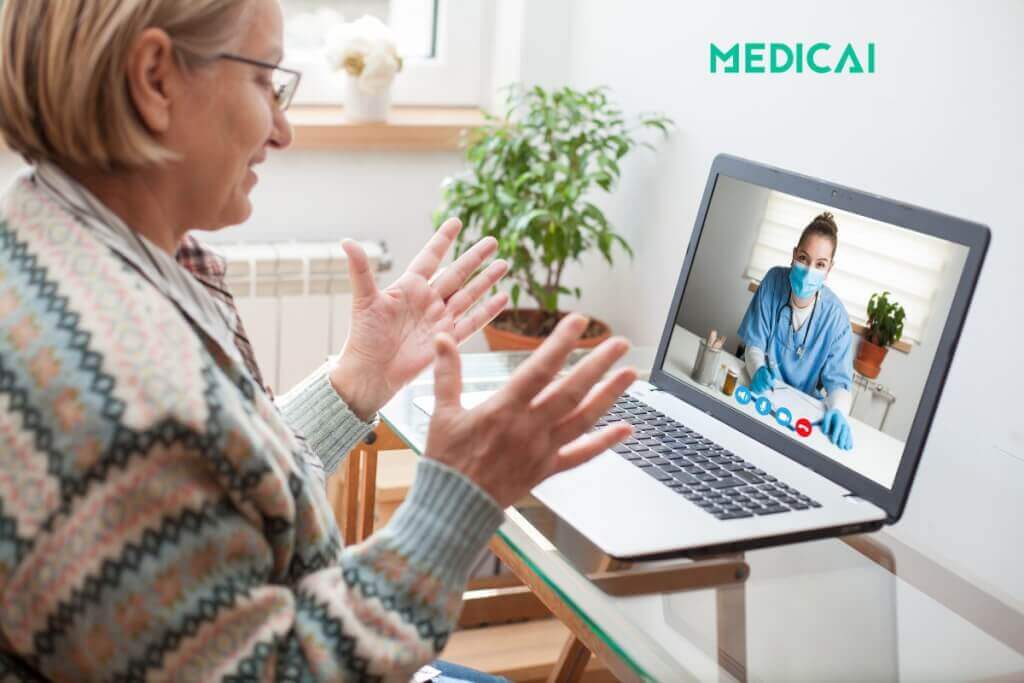
Telehealth vs Telemedicine: Key Differences, Examples, and Billing Telehealth is the broad term. It covers any health service delivered at a distance, clinical or not: patient education, provider training, administration, and public health. Telemedicine is the clinical part of telehealth: remote diagnosis, treatment, and follow-up by a licensed...

Photon Counting CT vs. Energy-Integrating CT: A New Era in Liver Lesion Detection?
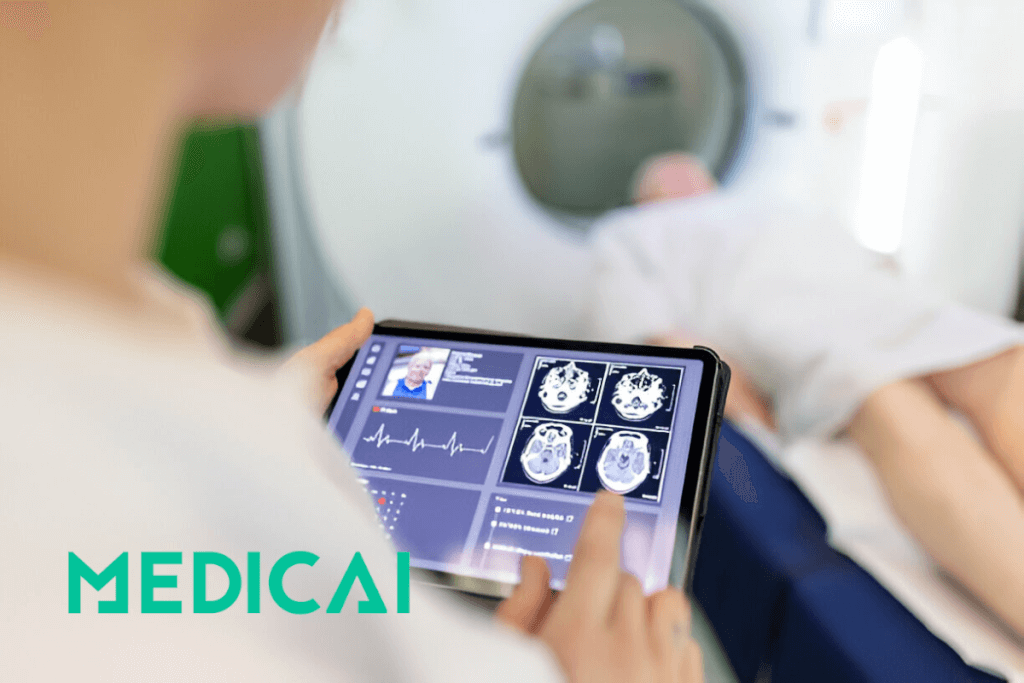
Photon Counting CT vs. Energy-Integrating CT: A New Era in Liver Lesion Detection? Computed tomography (CT) scans are a cornerstone of medical imaging, helping doctors diagnose various conditions. But what if there was a way to make these scans even more accurate and detailed? Enter photon-counting CT (PCCT). This newer technology promises to...

Why Early Intervention Services Are Reaching a Breaking Point
Why Early Intervention Services Are Reaching a Breaking Point Conversations around developmental delays have become far more common in recent years. Pediatricians screen children earlier, and schools refer students faster. Parents also notice speech and behavioral concerns sooner because they have easier access to developmental information. This shift helps...

Value-Based COPD Care: Using Imaging Insights and Home Nebulization
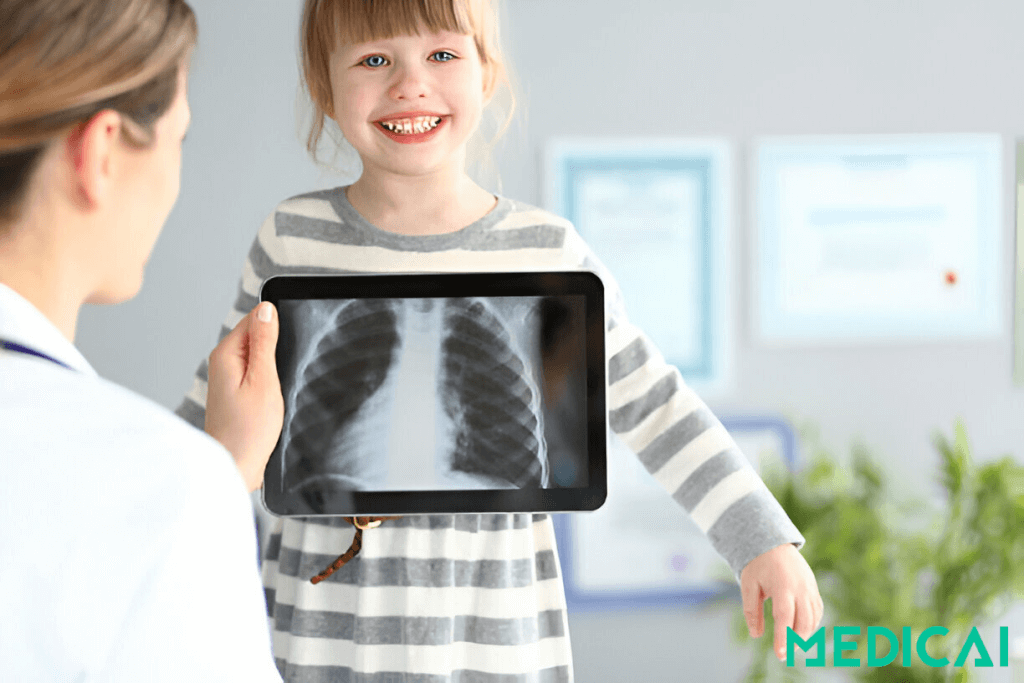
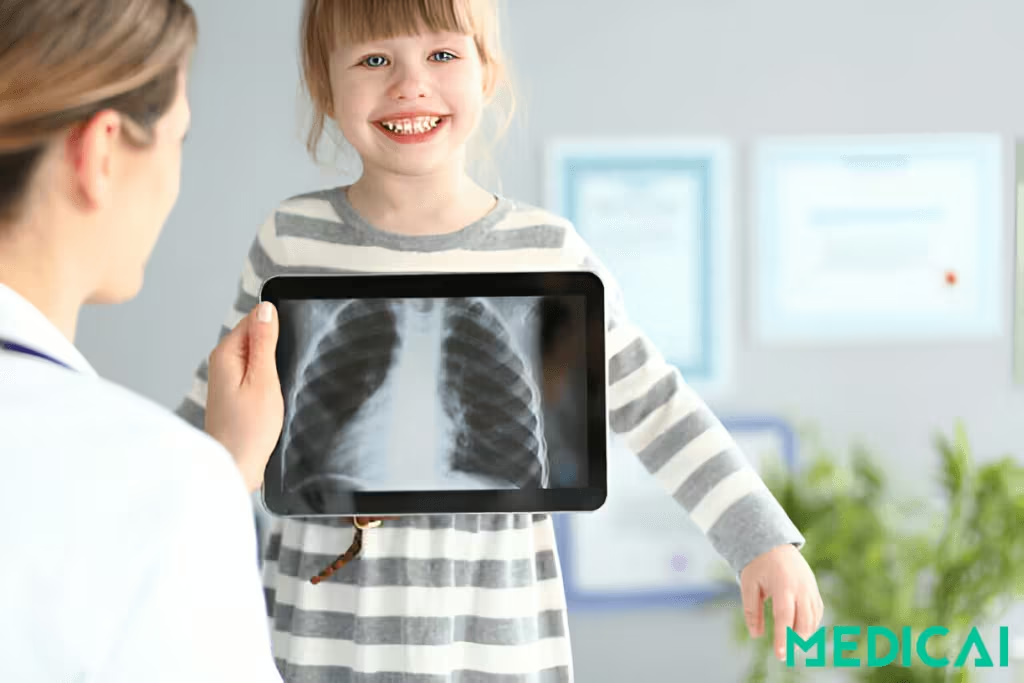
Value-Based COPD Care: Using Imaging Insights and Home Nebulization COPD is a classic value-based care challenge: a high-risk, high-cost population where a small proportion of patients drive a large share of emergency visits and hospital days. Many of these episodes are predictable in hindsight – the warning signs are...

What’s Next for Teleradiology? Trends and Challenges
What’s Next for Teleradiology? Trends and Challenges What will you do when needing a life-saving diagnosis but the specialist is hundreds of miles away? This scenario is pretty common, especially after hours or in rural areas. However, thanks to teleradiology, time and geographical barriers are no longer...

How Telehealth Is Expanding Access to Behavioral Health Services
How Telehealth Is Expanding Access to Behavioral Health Services Telehealth is changing behavioral health care by improving access to mental health and substance use treatment services nationwide. Virtual counseling, online therapy sessions, and remote psychiatric support allow patients to receive professional care from home comfortably. These digital services reduce...

The Future of DICOM Viewers and Medical Imaging: AI, Cloud, and Trends Through 2030
The Future of DICOM Viewers and Medical Imaging: AI, Cloud, and Trends Through 2030 Imagine a future where diagnosing a life-threatening disease happens in minutes, not hours. Or picture a surgeon viewing a patient’s anatomy in 3D before making a single incision. The future of medical imaging is here, and it begins with the...

How Chiropractic Adjustments Support Children With Posture Problems
How Chiropractic Adjustments Support Children With Posture Problems Good posture is essential for children’s overall development. It influences everything from musculoskeletal strength and flexibility to breathing, focus, and self-confidence. However, with modern lifestyles becoming increasingly sedentary, more children are developing posture-related issues earlier than ever before. Data suggests...

The Release of Information Process: Key to Secure and Efficient Medical Data Sharing
The Release of Information Process: Key to Secure and Efficient Medical Data Sharing When patients and healthcare providers can easily access and share health information, it helps in providing quick and effective care. The Release of Information (ROI) process helps ensure patient data is shared quickly and safely. The Release of Information (ROI)...

DICOM Communication Protocol: How Is It Transforming Modern Medical Imaging Workflows
DICOM Communication Protocol: How Is It Transforming Modern Medical Imaging Workflows Picture this: a doctor in one hospital cannot view a life-saving MRI scan done in another hospital simply because the systems aren’t compatible. What can be scarier than this? However, it was a common picture when medical imaging lacked standardization....

HL7 vs DICOM: Decoding the Backbone of Healthcare IT
HL7 vs DICOM: Decoding the Backbone of Healthcare IT HL7 vs DICOM is a standards comparison: HL7 handles clinical and administrative messages such as admissions, orders, and results, while DICOM handles medical imaging objects and imaging metadata. Every second counts when a clinician is waiting on the right patient...

DICOM Modality Types: The Complete List of Codes
DICOM Modality Types: The Complete List of Codes DICOM modality codes are the short, standardized values, such as CT, MR, and US, that identify the type of equipment, process, or method that created a series of images or documents. They are stored in the Modality tag (0008,0060) of...

PACS in Healthcare: How Picture Archiving and Communication Systems Work in Radiology
PACS in Healthcare: How Picture Archiving and Communication Systems Work in Radiology A picture archiving and communication system (PACS) is the software that stores, retrieves, and distributes medical images across a hospital or imaging center. For the full definition and what the acronym stands for, see our guide to PACS meaning and...

PACS: 130 Years of Medical Imaging Evolution to Sustain Personalized Care
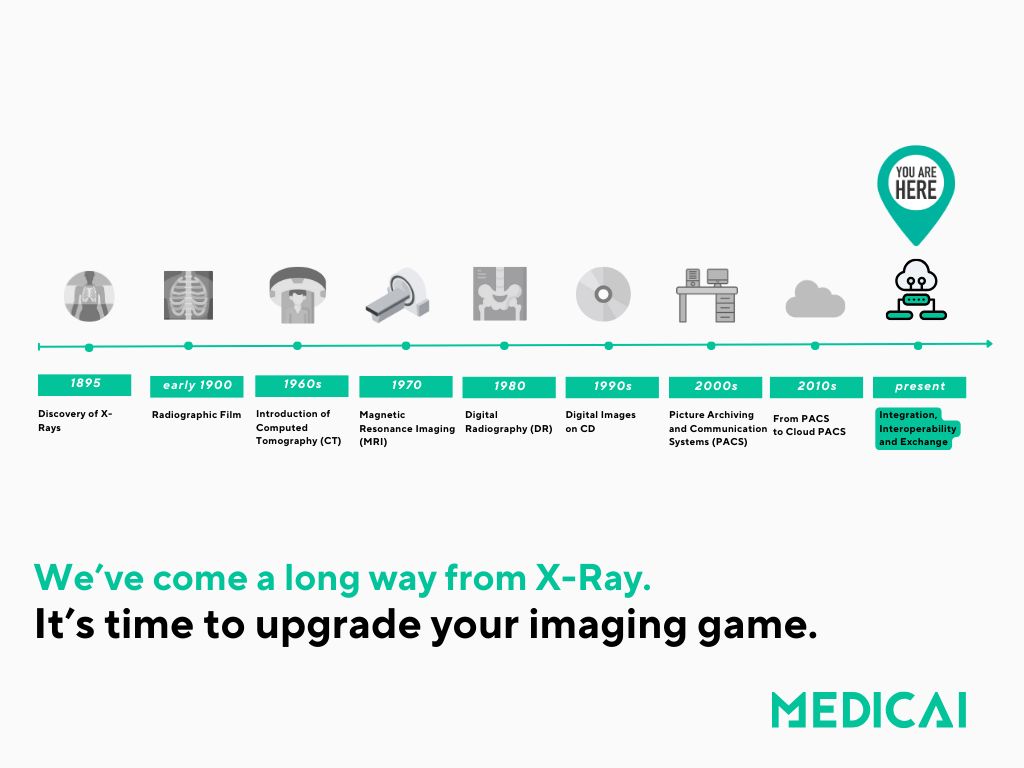
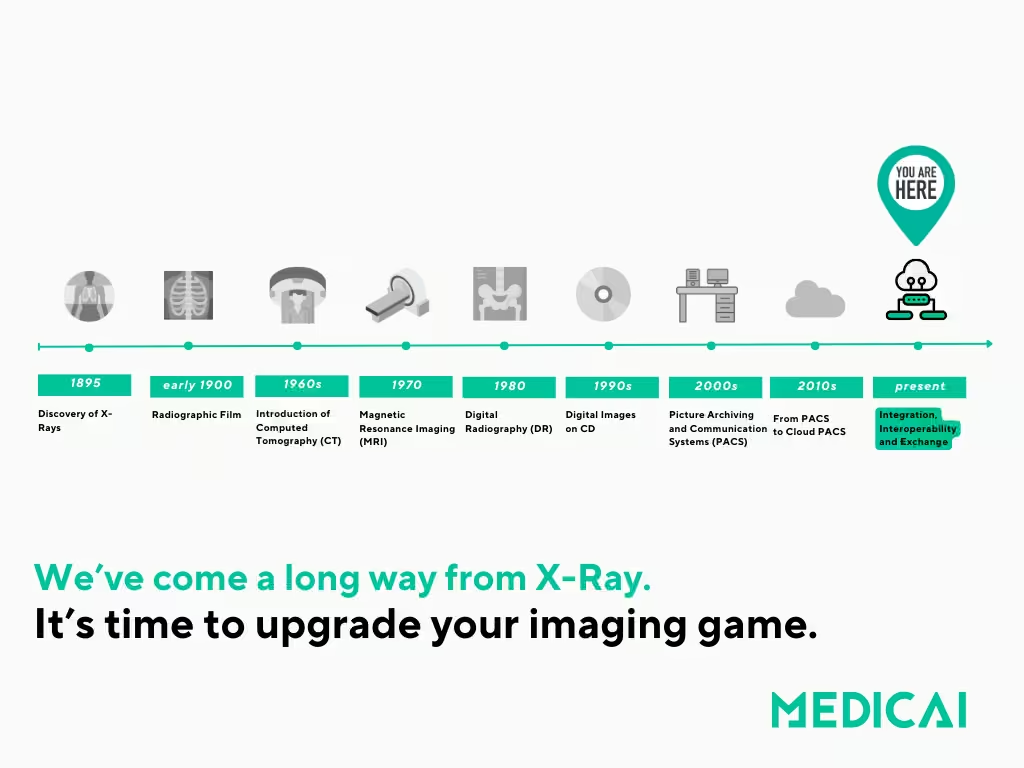
PACS: 130 Years of Medical Imaging Evolution to Sustain Personalized Care Medical imaging data (from X-rays, CT scans, ultrasounds, MRIs, and digital pathology) was once primarily stored in physical formats, such as film. Today, however, these images are captured, managed, and stored digitally using advanced systems, improving accessibility and sharing capabilities....

Open MRI vs Closed MRI: What’s the Difference and Why It Matters
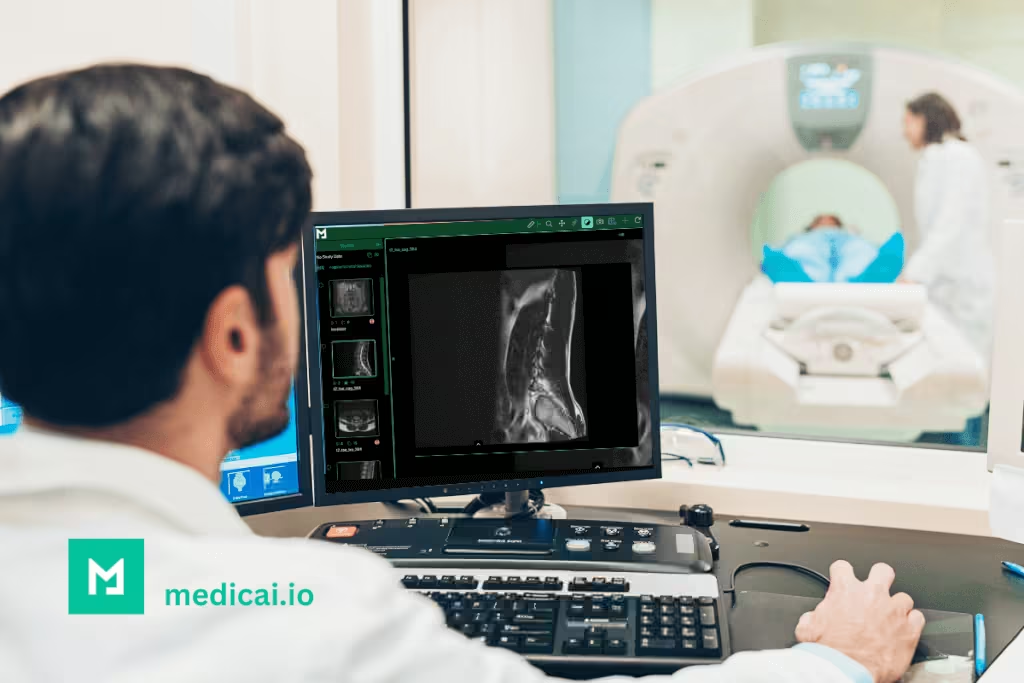
Open MRI vs Closed MRI: What’s the Difference and Why It Matters Open MRI is usually better for comfort, claustrophobia, and larger body size, while closed MRI is usually better when image quality and exam flexibility matter most. Closed MRI is usually the right choice when the exam requires the highest image...

Crisis Control: Nurses Who Lead from the Frontlines


Crisis Control: Nurses Who Lead from the Frontlines What happens when the plan breaks down before it starts? In any emergency room, the answer often walks in wearing scrubs and a badge—and doesn’t stop moving for hours. We talk a lot about systems, protocols, and equipment. But in...

How Telehealth Is Closing the Vision Care Gap for Low-Income Patients

How Telehealth Is Closing the Vision Care Gap for Low-Income Patients A six-year-old girl put on her first pair of glasses at a mobile vision clinic in rural Manitoba. When her vision snapped into focus, she started crying. The clinicians panicked until they realized she was crying because, for the first...
