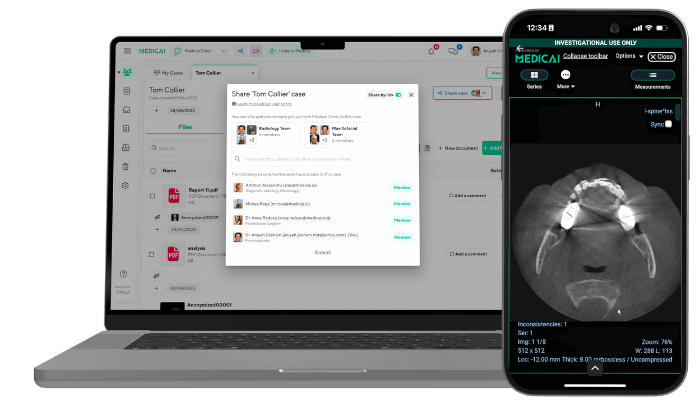
Automating Imaging Workflows With PACS for Personal Injury Case Management

Ever lost time chasing down a medical image or waiting on a CD to arrive before building your case?
In personal injury law, delays like these can derail timelines, frustrate clients, and weaken negotiations.
The solution?
Automating imaging workflows with PACS. This technology removes the headache of handling medical images by securely storing, labeling, routing, and sharing them, without manual effort or costly delays.
Discover how automating imaging workflows with PACS is transforming personal injury case management.

How Does PACS Work In Personal Injury Cases?
PACS stands for Picture Archiving and Communication System. At its core, it’s a digital platform for storing, managing, and sharing medical images, such as X-rays, MRIs, CT scans, and ultrasounds.
However, PACS isn’t just about storage—it brings powerful tools to the table:
- Store: It saves all images in one secure, centralized system—no more stacked discs or lost USBs.
- Label: Automatically tags images with patient info, scan type, date, and diagnosis for fast sorting.
- View: It offers interactive viewing with zoom, contrast adjustment, measurements, and annotations—no extra software needed.
- Share: It enables safe, HIPAA-compliant sharing between doctors, attorneys, insurers, and experts with access control and audit trails.
These features make PACS a complete solution for handling imaging data, not just for hospitals, but also for injury law firms and independent clinics managing high volumes of claims.

How PACS Automation Helps Personal Injury Cases
PACS automation serves personal injury lawyers immensely.
Reduced Time Spent, Fast Workflow
One of the biggest bottlenecks in personal injury case management is administrative overload. Every image that needs to be renamed, emailed, printed, or couriered slows down your team.
That’s where PACS automation makes a game-changing impact. Research shows PACS and related workflow automation can reduce overall workflow time by 21–80%. No More Manual Uploads and File Sorting
With PACS, the moment a scan is taken, it’s automatically uploaded to the system. You no longer need to rename files or manually transfer them via USB. Even better, the images are:
- Auto-labeled with patient info, modality (e.g., MRI, X-ray), and timestamp
- Routed to the correct legal or medical contact based on pre-set workflow rules
This alone can save hours per week, especially in high-volume practices handling multiple injury claims simultaneously.
Built-In Workflow Routing
Imagine a spine MRI is completed at a clinic. The PACS system detects the scan type and automatically notifies the personal injury lawyer and referring orthopedic specialist. No one has to chase down files or wait for phone calls.
These automated routing rules ensure:
- No image gets lost or misdirected.
- The right person gets the right file fast.
- Tasks that once took hours now take minutes
Less Paperwork, Fewer Errors
When processes are manual, mistakes happen: wrong patient file sent, missing annotations, mislabeled images. PACS automation reduces human error by enforcing consistency across every case. Staff no longer waste time double-checking filenames or resending broken links.
With fewer administrative steps, your team can focus on higher-value tasks like case analysis, client support, or expert coordination.
Boosts Productivity Across the Board
Whether it’s legal assistants, paralegals, intake coordinators, or radiology staff, automation means:
- Less time spent on repetitive work
- Faster case preparation and follow-up
- Fewer delays caused by incomplete or missing files
In short, PACS automation turns a slow, manual image handling process into a seamless, self-updating workflow. It saves time, reduces stress, and keeps your cases moving forward.
Faster Collaboration Means Faster Outcomes
Collaboration between lawyers and medical professionals can slow down due to misplaced CDs, delayed expert reviews, and insurers citing insufficient evidence.
But with PACS, all parties view the same images simultaneously, whether they’re across town or the country. That makes it easier to:
- Schedule depositions and prepare visual exhibits
- Get second opinions quickly
- Avoid last-minute delays due to missing records

Automating Imaging Workflows With PACS in Personal Injury Cases
Automating imaging workflows with PACS can greatly enhance the management of personal injury cases. This process streamlines tasks from scan to settlement, reducing work days to just minutes..
Step 1: Imaging Begins at the Point of Care
When a personal injury client visits a clinic, scans such as X-rays, MRIs, or CTs are automatically uploaded to a secure digital archive via PACS. This eliminates the need for CDs or manual file exports.
Step 2: Automatic Storage and Smart Labeling
Once uploaded, the image is instantly stored in the PACS database with all relevant metadata attached. This includes patient information, scan type, timestamp, and referring provider details.
Staff need not rename files or organize folders. The system does it all in the background, reducing clerical work and chances of error.
Step 3: Automated Routing to the Right People
With PACS automation, you can set up custom workflow rules. For example, spinal MRIs can be automatically routed to the treating orthopedist and the attorney handling the case.
The process eliminates file transfer delays and ensures that every stakeholder gets what they need, when needed.
Step 4: Image Review and Annotation
Once routed, authorized users can review the images through a secure PACS viewer. These tools allow for zooming, measuring, and even annotating key findings—all from within a browser.
Annotated medical images are ready for depositions, visual evidence prep, or expert review without separate software or manual markup.
Step 5: Secure Sharing with Legal and Insurance Teams
PACS supports HIPAA-compliant sharing, allowing medical providers to grant access to attorneys, insurers, or other experts. Secure links can be created with expiration dates and view-only settings. Each interaction is logged, so you’ll always know who accessed what and when.
This level of transparency supports both collaboration and compliance.
Step 6: Supporting Faster and Stronger Case Outcomes
Throughout the legal process, PACS ensures that all parties are using the same set of trusted, high-quality images. This consistency helps reduce disputes, avoid confusion, and ensure faster expert evaluations.
For lawyers, having reliable imaging data on demand can push cases forward with confidence and clarity.
Step 7: Archiving and Full Audit Trails
After a case is resolved, the PACS system automatically archives all imaging data and its full audit trail. It includes access history, annotations, and any edits.
If the case ever goes to appeal or needs to be reopened, all the imaging records are securely preserved, traceable, and legally valid.
Real Examples: Faster Case Resolutions With PACS
Speed matters in personal injury cases. The longer it takes to access medical evidence, the longer a client waits for justice or a settlement. PACS streamlines internal workflows and directly improves the speed with which cases are resolved.
A personal injury firm in Toronto partnered with a local imaging center that uses PACS. When a client was injured in a rear-end collision, the imaging center uploaded spinal MRIs on the same day of the referral.
Within 12 hours:
- The legal team accessed annotated images through a secure PACS viewer
- An orthopedic specialist provided a written report
- The client’s insurance demand was filed, with full medical imaging attached
Result? The insurer responded within five business days, and the case settled in under a month. What used to take six to eight weeks now takes two to three because imaging access is immediate and seamless.

Keeping Imaging Data Secure and Traceable
Security and traceability are vital in personal injury cases. Medical images must be preserved and documented from capture to court as legal evidence, and PACS plays a crucial role in this process.
Tamper-Proof Storage of Original Files
PACS platforms store medical images in their original DICOM format, ensuring the files are preserved exactly as captured. Unlike JPEGs or PDFs, DICOM files retain metadata that records details like:
- Date and time of scan
- Device used
- Patient and provider information
This makes each image legally verifiable, helping ensure that it hasn’t been edited or manipulated. It’s indeed a critical requirement for admissibility in court.
Complete Access Logs and Audit Trails
Every interaction with an image in a PACS system is automatically logged. You can see:
- Who accessed the file
- When they accessed it
- What changes or annotations were made
This audit trail protects both the legal team and the client, providing a clear chain of custody that can be referenced in depositions or trials.
Built-In Compliance With Data Regulations
Reputable PACS platforms like Medicai are designed with HIPAA, PIPEDA, and GDPR compliance in mind. They offer:
- End-to-end encryption for stored and shared images
- Role-based user permissions
- Secure sharing portals with expiration settings and view tracking
These features protect sensitive patient data and your case from the risk of a data breach or procedural challenge.
Challenges And Considerations
Adopting a PACS system for personal injury case management can unlock huge efficiency gains, but only if implemented thoughtfully.
Integration with Your Existing Systems
Consider whether the PACS platform integrates smoothly with your existing tools, such as electronic health records (EHRs), legal case management platforms, or insurance claim software. Effective communication between the PACS and these systems is essential.
Look for solutions that support open APIs or offer plug-and-play compatibility with tools common in legal and medical environments.
Training and Ease of Use for Your Team
Choose a PACS platform designed for non-technical users. This is especially important when legal staff or case managers access images. Opt for intuitive dashboards, minimal-click workflows, and clean user interfaces.
Some vendors even offer onboarding support or quick-start tutorials. Properly training your team will reduce friction, build confidence, and help you get the most out of the system from day one.
Security and Regulatory Compliance
When handling sensitive medical images, implement data encryption, secure access controls, and audit logs to ensure your system complies with privacy laws like HIPAA, PIPEDA, or GDPR.
Choose reputable PACS providers like Medicai that have compliance certifications. Also, always verify the protections before uploading client data to protect your clients and maintain the legal validity of your evidence.
Conclusion
Automating imaging workflows with PACS is essential for personal injury case management. It eliminates manual tasks, ensures secure access, and enhances collaboration, allowing legal and medical teams to work more efficiently.
Platforms like Medicai are built to streamline your workflow every step of the way. We enable law firms and medical providers to work faster and smarter with secure sharing and reliable traceability.


Related Articles



Lets get in touch!
Learn more about how Medicai can help you strengthen your practice and improve your patients’ experience. Ready to start your Journey?
Book A Free Demo