Teleradiology Solutions: Swift, Smart, and Smooth Radiology Services

Have you ever dreamed of getting expert diagnoses from radiologists thousands of miles away?
Well, with teleradiology solutions, your dream can come true.
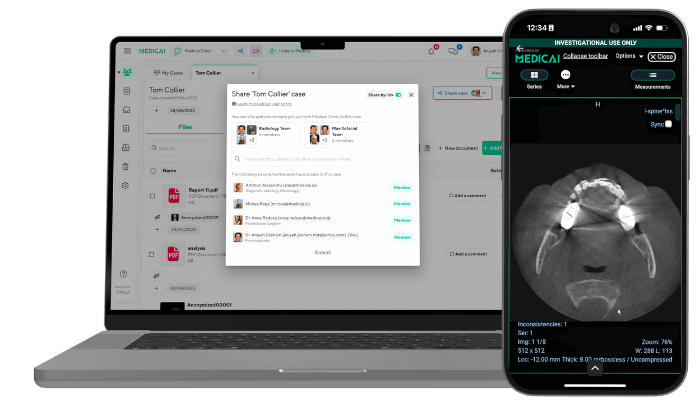
Teleradiology solutions connect healthcare providers with radiologists remotely. They provide secure data sharing and real-time interpretations of medical imaging, such as X-rays, MRIs, and CT scans.
Teleradiology’s cutting-edge technology ensures faster diagnoses, better access to expertise, and enhanced patient care.
Stay with us and learn how teleradiology solutions transform radiology services and the modern healthcare ecosystem.

Teleradiology Solutions: What They Feature
Teleradiology solutions are a wonder of advanced technology that has reshaped medical imaging delivery. They make the process flexible, fast, and efficient by overcoming the barriers of distance and limited resources in radiologists’ and providers’ cooperation.
However, what do teleradiology solutions feature? Let’s find out.
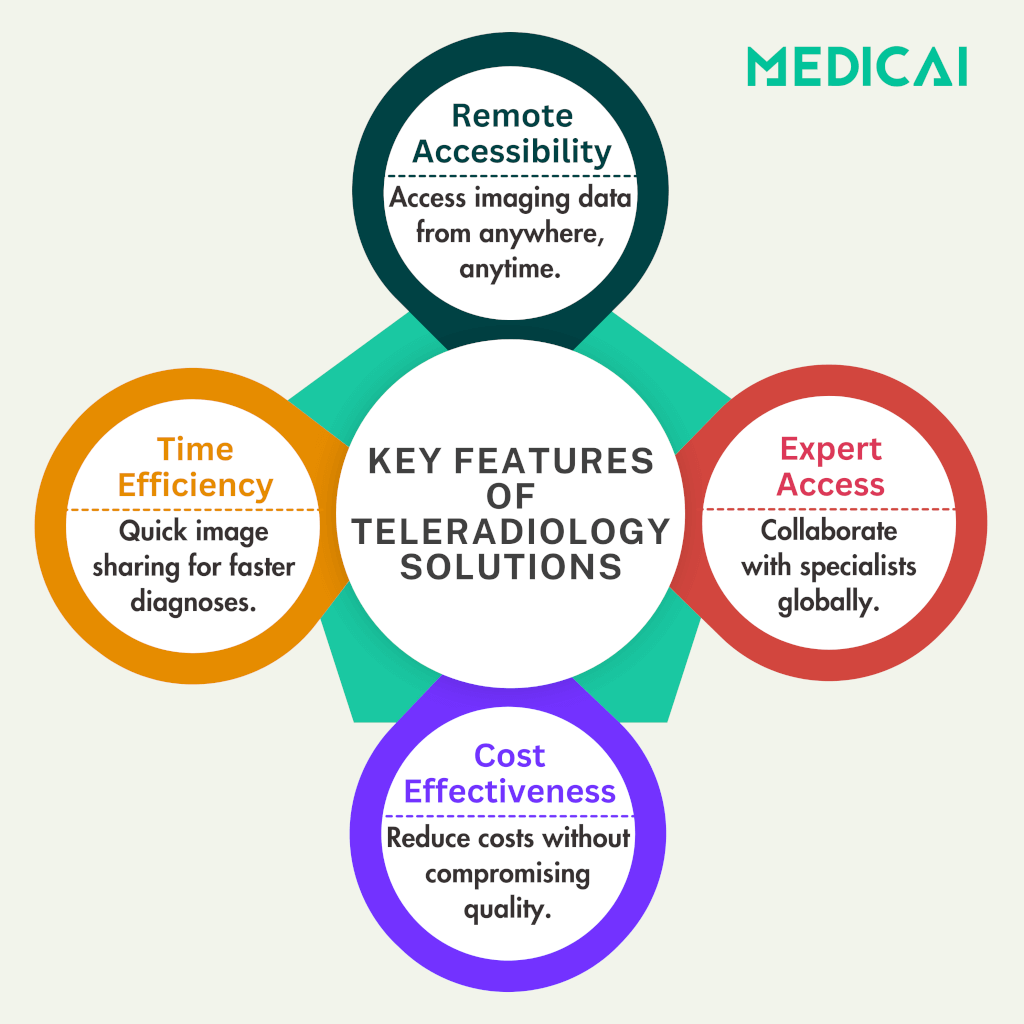
Remote Accessibility
With teleradiology, distance is not an issue anymore. Radiologists can review and interpret images from anywhere, whether at home, in another city, or halfway across the globe.
But what makes the images accessible for radiologists?
Thanks to the cloud-based storage, images like X-rays, CT scans, and MRIs are securely uploaded there. This flexibility allows radiologists to get images anytime and provide timely, expert patient care.
Patients don’t need to travel long distances for specialized imaging services anymore. Teleradiology solutions are also a game changer for rural areas with limited resources.
Time Efficiency
Speed matters greatly in healthcare, especially in emergencies. However, with teleradiology, radiologists can interpret imaging studies quickly, start treatment sooner, and save lives.
Teleradiology platforms work 24/7. They connect providers with radiologists at all hours—nights, weekends, and holidays. Automated workflows notify radiologists of newly uploaded images, significantly reducing response time.
Platforms like Medicai boost time efficiency with AI-driven tools, such as AI Co-Pilots that triage cases, prioritizing and handling urgent patients first.
Expert Access
Not every medical facility has a radiologist on-site, and many don’t even have specialists like pediatric or neuro-radiologists. Teleradiology offers the needed expertise.
With teleradiology, facilities can connect with radiologists specializing in specific fields regardless of location. These radiologists provide expert and detailed interpretations that may not be possible to receive locally.
Besides, teleradiology also facilitates collaboration across borders to share insights into challenging cases.
To conclude, with teleradiology, every patient has a chance to get a proper and timely diagnosis from experts.
Cost Effectiveness
Many healthcare facilities, especially in rural areas, may not afford a full-time radiologist. In such cases, teleradiology offers an affordable alternative without compromising quality. Smaller clinics and rural hospitals can outsource their medical imaging needs to remote radiologists.
Teleradiology saves a lot of money! The facilities don’t have to spend money maintaining an in-house team. Besides, teleradiology uses cloud storage to store imaging studies, reducing the cost of physical storage and maintenance.
The best part is that facilities can scale their teleradiology services depending on patient demand. This allows them to provide advanced diagnostic services to their patients without spending a fortune.
Medicai offers scalable and secure teleradiology solutions that are cost-effective, efficient, and easily accessible.
Technical Infrastructure Of Teleradiology Solutions
Teleradiology relies on a strong technical infrastructure that allows them to share, access, and analyze images seamlessly.
PACS
PACS (Picture Archiving and Communication Systems) is the backbone of the teleradiology system.
PACS is a digital platform for storing, retrieving, and sharing medical images. It has replaced the film-based system in the modern healthcare ecosystem.
PACS organizes and stores images in a way that authorized users can instantly access. Radiologists can easily compare current scans to previous ones to comprehend the patient’s condition.

Platforms like Medicai’s cloud-based PACS enhance the teleradiology and the entire healthcare workflow with its flexible, scalable, and secure services. It helps in-
- Eliminating the need for bulky physical storage
- Easy access from anywhere with an internet connection
- Cutting down retrieval time
- Speeding up diagnosis and treatment
- Facilitating collaboration between radiologists and providers in real-time.
DICOM Standards For Interoperability
DICOM (Digital Imaging and Communications in Medicine) is the universal language of medical imaging. The system ensures that imaging devices and software from different manufacturers can work seamlessly together.
With DICOM, providers can capture, store, and share medical imaging studies without worrying about compatibility issues. DICOM in teleradiology solutions makes several tasks super easy, including-
- Easy collaboration by ensuring data compatibility across different systems
- Simplifies workflows with a standard imaging format
- Accurate and efficient data transfer.
Medicai’s state-of-the-art DICOM viewer makes the teleradiology workflow easy and efficient.

Secure Data Transfer Protocol
Medical imaging data is sensitive, so its handling must be secure. Any breach in security can jeopardize patient privacy and a healthcare provider’s reputation.
Here comes encrypted data that can be accessed with the correct key only.
Encryption protocols protect data during transmission, reducing the risk of intercepting or data tempering. Secure protocols like HTTPS safeguard communication between servers and users.
These protocols protect patient privacy by securing data at every stage of data sharing. So, even if the data is intercepted, it remains unreadable.
Besides, teleradiology ensures compliance with global security standards like HIPAA and GDPR. Compliance with these laws isn’t optional—it’s essential.
Medicai always uses advanced encryption and secure data transfer protocols to ensure patient information is always safe.
Teleradiology Workflows
Teleradiology runs best on smooth workflows and advanced technologies for secure image transmission and collaboration.
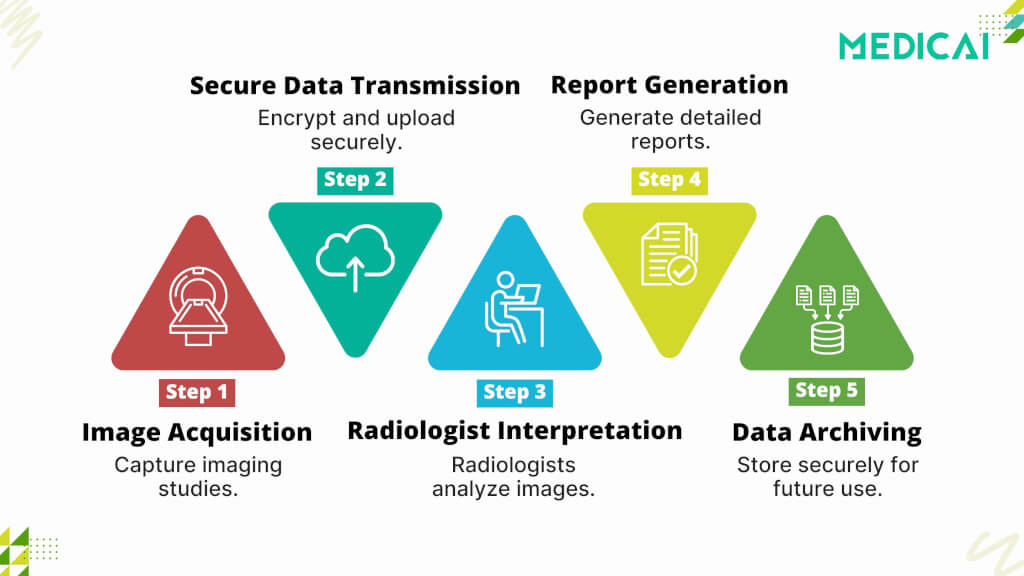
Image Acquisition and Secure Transmission
Teleradiology workflows begin with capturing high-quality images. The next step is to transmit these images securely for interpretation.
Imaging devices such as CT scanners, MRIs, and X-ray machines must integrate seamlessly with cloud-based systems to facilitate efficient data flow.
Protecting sensitive imaging during data transmission from unauthorized access or breaches is crucial. The system uses encryption and secure channels to keep patient information private.
Medicai integrates seamlessly with imaging devices and provides secure, HIPAA-compliant cloud storage and transmission. So, radiologists can access imaging data instantly without compromising security.
Remote Reporting
Remote reporting is a core component of teleradiology. It helps radiologists analyze and interpret images from anywhere, even at home.
Teleradiology platforms provide radiologists with intuitive tools to view, analyze, and annotate images. These include-
- Built-in templates and customization options for detailed reporting
- Precise measurement and annotations for diagnostic accuracy
- Access to previous imaging to compare current images with historical data for better insights.
MediccAI enhances remote reporting with a user-friendly interface and AI-powered analysis tools. It helps radiologists quickly provide accurate diagnoses and prioritize urgent cases for immediate treatment.
Collaborative Tools
Complex cases often require multiple specialists and healthcare professionals. Teleradiology platforms offer tools to facilitate teamwork and collaboration.
Teleradiology solutions provide swift and secure data sharing, video conferencing, and instant messaging. This virtual workspace helps the multidisciplinary team of radiologists, surgeons, and specialists, such as oncologists or cardiologists, collaborate in real-time.
The team can discuss imaging results and make a treatment plan, ensuring the best outcomes for patients. They can also seek a second opinion quickly through teleradiology.
Integration With EHRs
Teleradiology workflows integrate with Electronic Health Records (EHRs) for comprehensive patient care. This provides a complete picture of a patient’s medical history, which helps in informed decision-making.
Teleradiology platforms automatically upload imaging data to the patient’s EHR. Physicians can then review radiology reports with other clinical data, such as lab results, prescriptions, etc.
Medicai offers seamless interoperability with leading EHR systems, ensuring effortless data flow into patient records. This enhances efficient workflows and continuity of care.
Benefits of Teleradiology Solutions
The advantages of teleradiology extend to both healthcare providers and patients, simplifying their clinical challenges.
Benefits For Healthcare Providers
Let’s find out how teleradiology is making the lives of providers easy.
24/7 Availability
With teleradiology, healthcare providers can access radiology services around the clock without worrying about time zones or staffing limitations. They can connect with specialized radiologists across the globe to discuss trauma or strokes through teleradiology platforms immediately.
It helps significantly during emergency cases where timely interpretation of imaging results can save lives.
Efficient Workflow
Traditional radiology often causes delays with manual processes, file transfer, and limited radiologists’ availability. However, teleradiology changed the picture. It automates and optimizes these workflows, reducing the load on the healthcare team.
Teleradiology provides-
- Streamlined processes with direct image transmission from imaging devices to radiologists
- Prioritization of urgent cases with AI algorithms
- Seamless multidisciplinary team collaboration
Operational Flexibility and Cost Saving
Teleradiology’s biggest benefits are its cost-saving solutions and operational flexibility for healthcare facilities. It reduces the need for on-site radiologists and physical storage systems.
Besides, teleradiology allows facilities to scale their services without investing heavily in infrastructure. The facilities can easily outsource radiology services through teleradiology platforms if patient volumes grow.
Radiologists can work remotely. It reduces travel and relocation costs and increases efficiency, saving time.
Benefit For Patients
Teleradiology benefits not just the healthcare providers but also patients.
Faster Diagnoses and Treatment Plan
Patients receive timely diagnoses and treatment plans with teleradiology, as there’s no delay in image interpretation. They don’t need to wait long for radiologists to review imaging results with teleradiology’s immediate access and faster data sharing.
It is especially helpful during emergencies like cardiac events or traumatic injuries. Through teleradiology, radiologists receive the scan immediately. They interpret the imaging studies and share the findings with the physician to proceed with treatment plans.
Improved Access To Care
Teleradiology solutions serve most in rural or underserved areas where access to specialized radiology services is limited or scarce.
Clinics in remote areas can send images to specialized radiologists, such as pediatric or neuro-radiologists, who are unavailable locally. They can get expert diagnoses within minutes without traveling long distances or waiting long hours.
Challenges and Solutions in Teleradiology
Teleradiology comes with its challenges.

Bandwidth and Connectivity Issues
Large imaging files like MRIs need strong internet. However, getting strong internet can be challenging in rural areas, which may lead to delays in uploads and diagnoses.
Solutions:
- Data compression without quality loss
- Cloud-based caching
- Mobile network
Image Quality Preservation
High-resolution images make accurate diagnoses possible in teleradiology. However, compression or inconsistent standards can degrade image quality.
Solutions:
- Compression retaining resolution
- DICOM standards for uniform image quality
Cybersecurity Concerns
Medical imaging data is a prime target for breaches, ransomware, and insider threats.
Solutions:
- Encryption
- Multi-factor authentication
- Regular audits
Interoperability Challenges
In teleradiology, compatibility issues can create hindrances in workflow efficiency.
Solution:
- DICOM standards
- API integration
- Cloud centralization
Conclusion
Teleradiology solutions bridge gaps in the healthcare ecosystem. It offers efficiency, expertise, and speed in radiology services that enhance patient care immensely.
Medicai further enriches teleradiology with cutting-edge technology, secure cloud infrastructure, and seamless collaboration tools. With us, patient care is possible anytime, anywhere, with accessible and accurate medical imaging.


Related Articles
Lets get in touch!
Learn more about how Medicai can help you strengthen your practice and improve your patients’ experience. Ready to start your Journey?
Book A Free Demo