5 cost-effective alternatives to PACS systems

Introduction
Medical imaging is an essential tool in diagnosing and treating many conditions, and the storage and sharing of these images play a crucial role in delivering patient care. With the advent of digital technology, the volume of medical images has increased dramatically, making the need for efficient and reliable storage solutions more critical than ever.
The two main types of medical imaging are diagnostic imaging and therapeutic imaging. Diagnostic imaging includes modalities such as X-ray, CT, MRI, and Ultrasound, which are used to create images of the inside of the body for diagnostic purposes. Therapeutic imaging includes modalities such as radiation therapy and interventional radiology, which use imaging to guide treatments such as surgery or chemotherapy.
PACS alternatives for cost-saving in healthcare
PACS (Picture Archiving and Communication Systems) are the standard for storing and sharing digital medical images, but they can be expensive to purchase and maintain. Here are five cost-effective PACS alternatives:
-
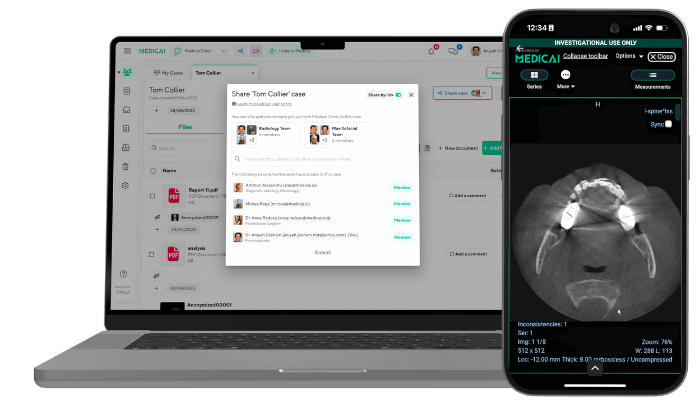
Cloud-based storage: Cloud-based storage solutions, such as Amazon Web Services or Microsoft Azure, offer a cost-effective way to store and share digital medical images. These services typically charge based on the amount of storage used and the number of requests made to the service rather than a flat fee.
-
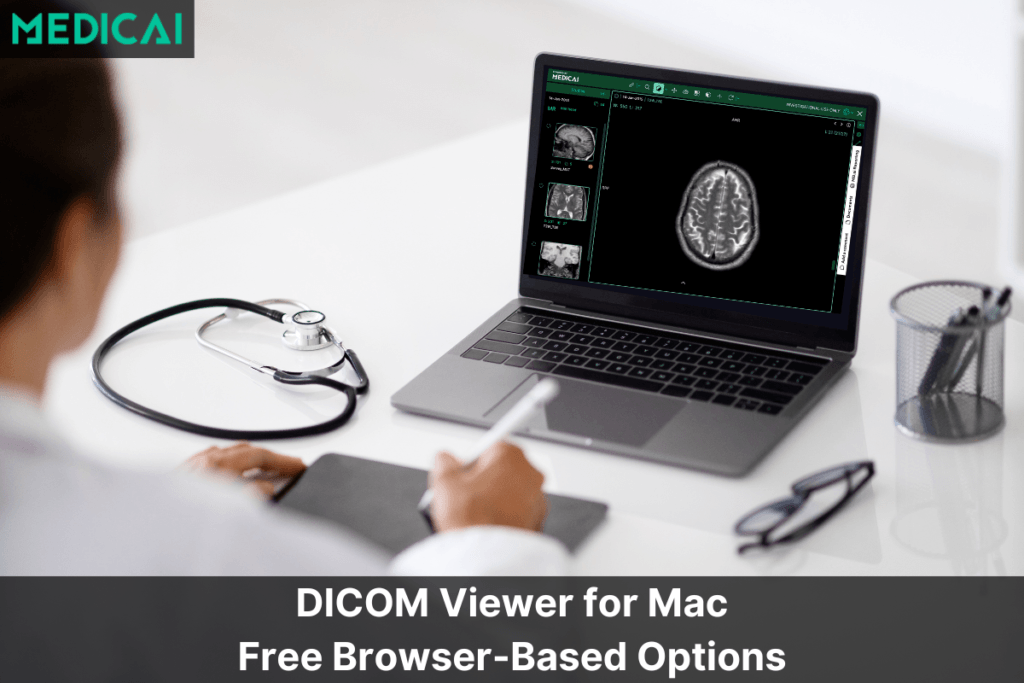
DICOM (Digital Imaging and Communications in Medicine) viewers: DICOM viewers are software programs that allow medical professionals to view and manipulate medical images. Many DICOM viewers are open-source and can be downloaded and installed for free.
-
Portable storage devices: These devices, such as USB or external hard drives, can store and transfer digital medical images. These devices can be a cost-effective alternative to PACS systems, especially for more minor medical facilities or individual practitioners.
-
CD/DVD archiving: CD/DVD archiving is a cost-effective way to store digital medical images. CDs and DVDs can be easily labeled and indexed and have a long shelf life. However, The retrieval process of data is slower than digital storage.
-
Integrated Electronic Medical Record (EMR) systems: Some EMR systems have built-in functionality for storing and sharing digital medical images. This can be a cost-effective alternative to purchasing a separate PACS system, but it depends on the functionality of the EMR system in question.
Conclusion
All of these alternatives provide some cost savings compared to traditional PACS systems. Still, it’s important to remember that each option has its own set of pros and cons regarding functionality, security, ease of use, and scalability. The best choice will depend on your organization’s specific needs and resources. It is also essential to consult with a professional before making any changes in your medical imaging storage and retrieval process. At Medicai, we offer scalable cloud-based imaging solutions for an efficient medical workflow.

Related Articles

Lets get in touch!
Learn more about how Medicai can help you strengthen your practice and improve your patients’ experience. Ready to start your Journey?
Book A Free Demo