Medical Imaging Technology
The Medical Imaging Technology category highlights the latest advancements and innovations in medical imaging. This section covers topics such as the development of new imaging techniques, improvements in diagnostic accuracy, and the integration of technologies like artificial intelligence and cloud-based solutions. Articles explore how these innovations are transforming the way healthcare professionals capture, analyze, and utilize imaging data to improve patient care and streamline medical workflows.
Why Imaging Infrastructure Matters for AI Generalization in Radiology
Does AI Really Deliver Economic Value in Radiology? What the Evidence Says
DICOM Interoperability Failures (And How Hospitals Fix Them)

What Is a Dangerous PSA Level? Understanding When High PSA Should Lead to MRI

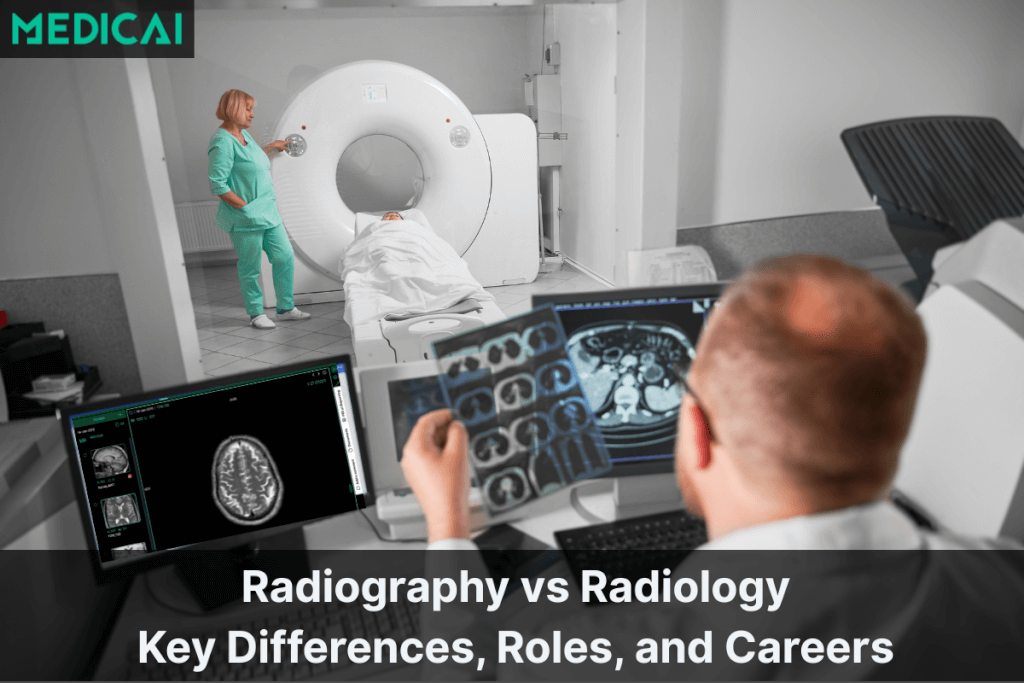
Radiography vs Radiology: Understanding the Difference in Modern Medical Imaging
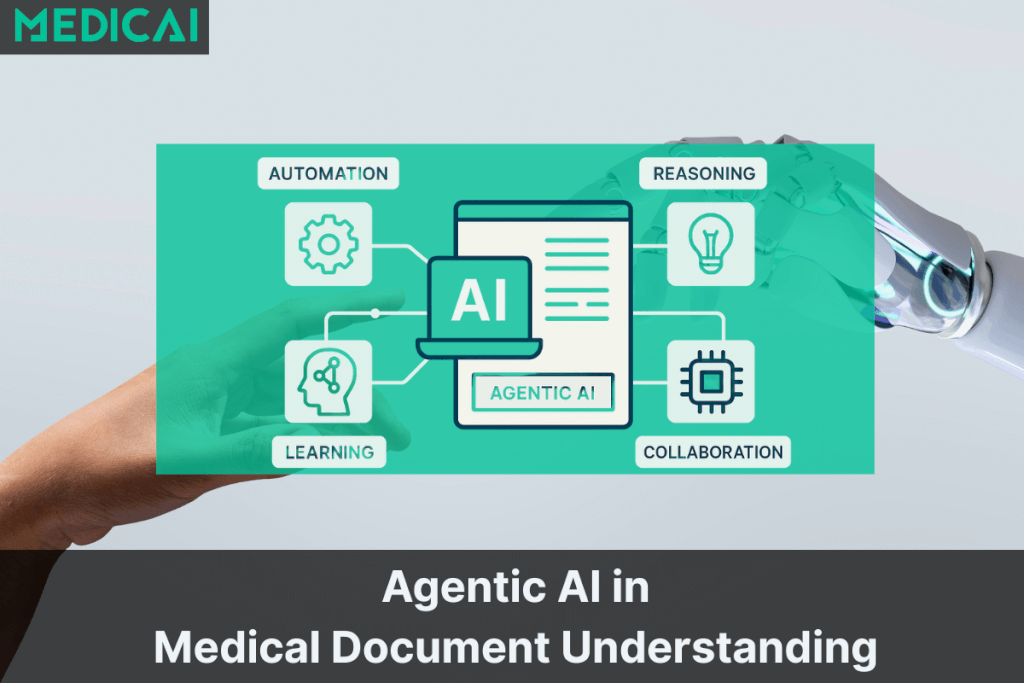
Agentic Document Processing: The Future of Intelligent Healthcare Workflows
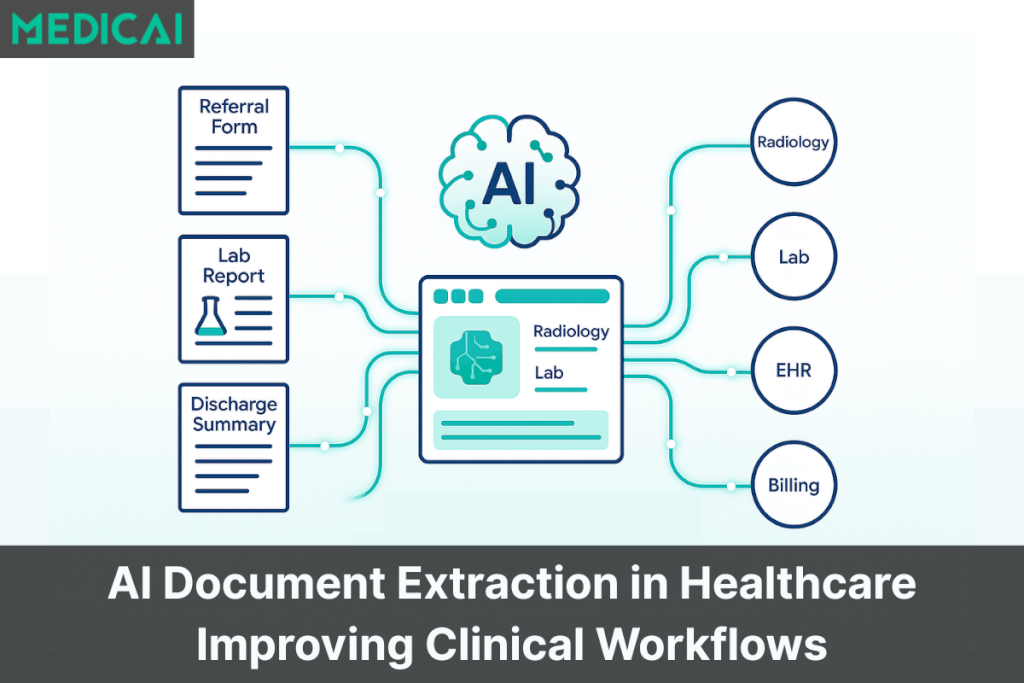
How AI Document Extraction Accelerates Clinical Workflows
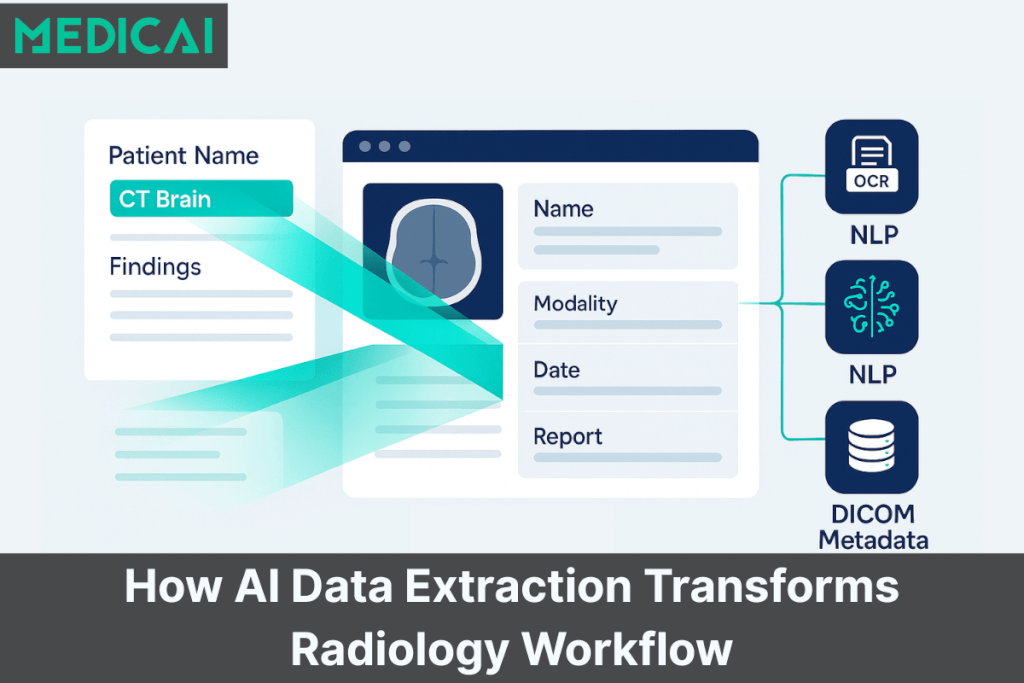
AI Data Extraction: Unlocking Hidden Value in Radiology Documents
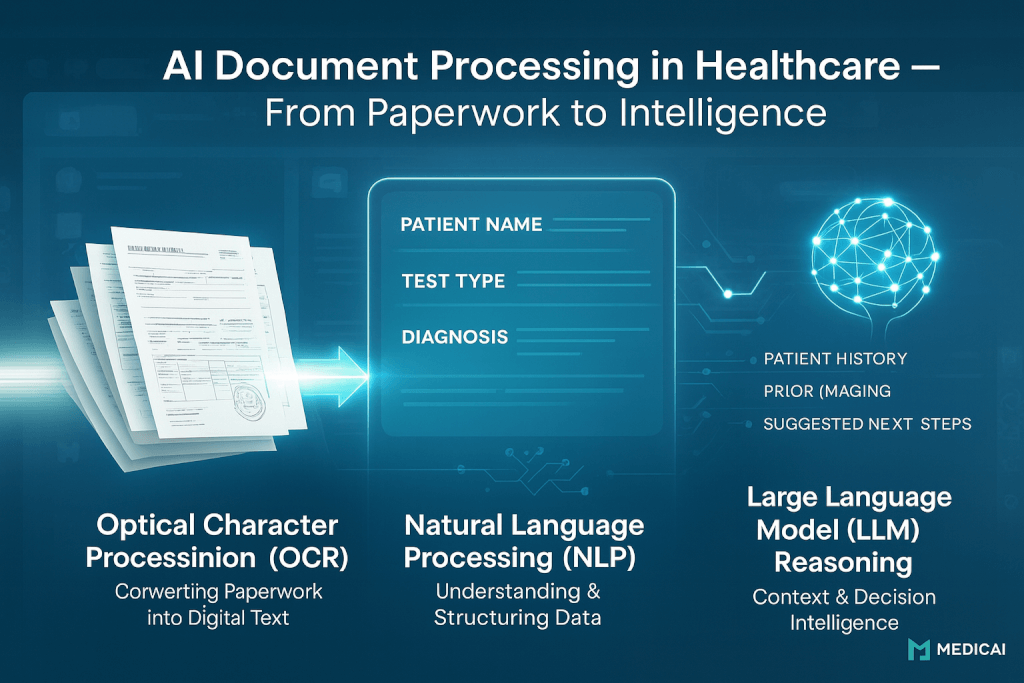
How AI Document Processing Is Transforming Healthcare Administration
HIPAA & GDPR Guide to Secure Medical Image Sharing
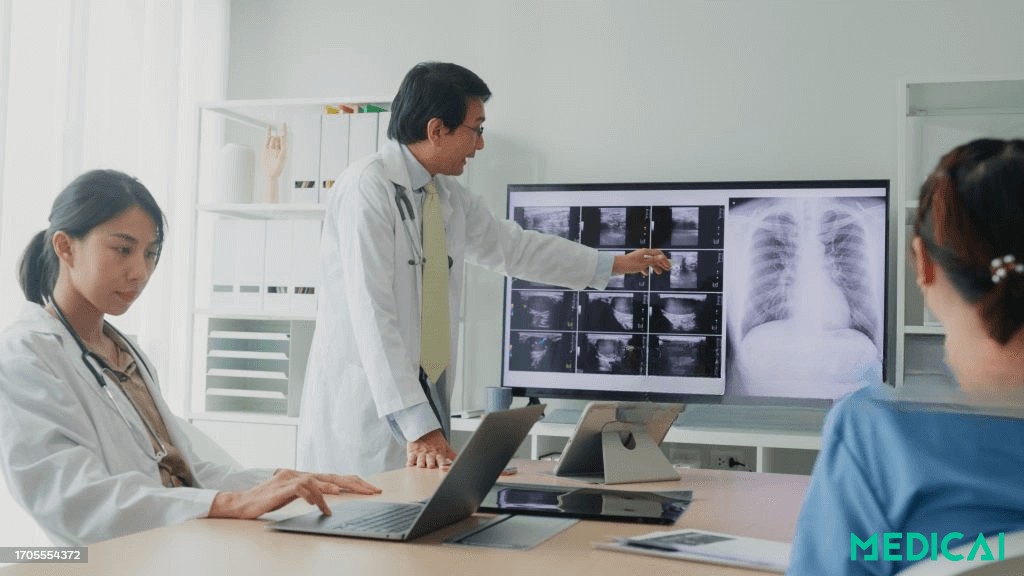
Simplify Imaging: The Power of Online DICOM Viewers
DICOM Viewer Features That Make Scans Simple
DCM Files Explained: The Digital “Folder” Behind Every Medical Scan
VNA Radiology: The Future of Medical Image Archives
Radiology Modalities: From X-ray to Interventional
PACS System Radiology: Workflow, Benefits, and Challenges
DICOM Web Viewer: Smarter Imaging Anywhere
How Large Language Models Transform Radiology Today
From Desktop to Mobile: The Rise of Mobile DICOM Viewers on Phones
AI in Radiology: Building Trust in Reporting
How Pediatric Teleradiology Transforms Children’s Healthcare
Why Urgent Care Needs Teleradiology PACS Systems
From Manual to AI: The Future of Cardiac MRI Segmentation
Voice‑Enabled Radiology: From Dictation to Contextual Command
Why Structured Annotations Are the Future of Oncologic Reporting?
PACS for Urgent Care: Setup, Integrations, Best Practices
PACS Integration for Modern Veterinary Practices
Retrieval-Augmented Generation: The Missing Link Between AI and Radiology Accuracy
1.5T vs 3T MRI: Which Scanner Fits Your Clinical Needs?
How to Convert DICOM to JPEG in Minutes
Contrast MRI: From Prep to Image Clarity
How Deep Learning Revolutionizes Cardiac MRI Segmentation
From Scan to Diagnosis: How Does PACS Works
Brain Tumor MRI Image Segmentation Using Deep Learning Techniques
Liver Segmentation MRI: From Prep to 3D Masks
How Brain MRI Segmentation is Revolutionizing Neuroimaging
Pediatric PACS: The Future of Radiology in Children’s Hospitals
How To Choose The Best PACS Vendors for Cardiology Imaging
AI and PACS: Revolutionizing Radiology Practice
MRI vs MRA: Know the Purpose, Uses, and Risks
Why Does Every Urgent Care Center Need a Modern PACS System?
MRI Segmentation Across Ages and Organs
How Proper PACS Server Configuration Improves Imaging Speed, Access, and Collaboration
Veterinary Radiology and Ultrasound in the PACS Era
AI in Nuclear Cardiology: What’s Changing?
AI-Driven Insights in PACS and DICOM to Future-Proofing Personal Injury Case Management
AI and Imaging Analytics: Personalizing Clinical Decision Support with Cloud PACS
HIPAA-Compliant Medical Imaging Sharing: Essential Knowledge for Personal Injury Attorneys
From Standard to Smart: Why One-Size-Fits-All Doesn’t Work in Medical Imaging