4 Benefits of cloud-based DICOM

DICOM, or Digital Imaging and Communications in Medicine, is the standard format for storing, transmitting, and viewing medical imaging data. DICOM archiving refers to the process of storing and managing these medical images and related data for long-term access and retrieval.
Traditionally, DICOM archiving has been done on-premises, using physical storage devices such as hard drives or tape libraries. However, as technology has advanced and cloud computing has become more prevalent, many healthcare organizations are turning to cloud-based DICOM archiving solutions.
There are many advantages to using the cloud for DICOM archiving, including increased accessibility, scalability, and security.
Accessibility
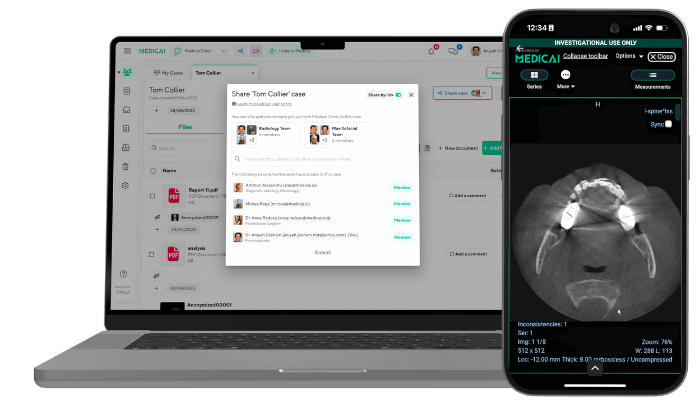
One of the most significant advantages of using the cloud for DICOM archiving is increased accessibility. With a cloud-based solution, medical images and data can be accessed from any location with an internet connection, making it easier for healthcare professionals to collaborate and share information. This can be particularly beneficial for remote consultations, telemedicine, and second opinions.
Additionally, cloud-based DICOM archiving solutions often include web-based viewers and mobile apps, allowing healthcare professionals to view medical images on their smartphones or tablets.
Scalability
Another advantage of cloud-based DICOM archiving is scalability. On-premises storage solutions can quickly become overwhelmed as the volume of medical images and data grows. With a cloud-based solution, storage capacity can be easily increased as needed without the need for additional hardware or IT support.
This can be particularly beneficial for healthcare organizations that experience seasonal fluctuations in patient volume or that are expanding to serve a growing population.
Security
Cloud-based DICOM archiving solutions also offer increased security. Many cloud providers use advanced security measures such as encryption, multi-factor authentication, and disaster recovery to protect medical images and data. Additionally, cloud providers often have teams of security experts that are dedicated to monitoring and securing their data centers.
This can provide peace of mind for healthcare organizations, as they can be confident that their medical images and data are being stored in a secure and compliant manner.
Cost-Effective
In comparison to on-premises DICOM archiving solutions, cloud-based solutions can also be more cost-effective. With a cloud-based solution, healthcare organizations can avoid the costs of purchasing and maintaining hardware, as well as the costs of hiring IT staff to manage the system. Additionally, with a cloud-based solution, healthcare organizations only pay for the storage they use rather than having to purchase expensive storage devices upfront. The cost saving of cloud computing can be seen as a huge advantage over a traditional way of storing medical data.
Conclusion
In conclusion, cloud-based DICOM archiving solutions offer many advantages over traditional on-premises solutions, including increased accessibility, scalability, security, and cost-effectiveness. As healthcare organizations continue to adopt digital technologies and move towards a more connected and collaborative care model, cloud-based DICOM archiving will likely become the norm.

Related Articles


Lets get in touch!
Learn more about how Medicai can help you strengthen your practice and improve your patients’ experience. Ready to start your Journey?
Book A Free Demo