Healthcare Trends and Innovations
This category delves into the cutting-edge advancements and transformative shifts shaping the future of healthcare. This section spotlights emerging technologies, innovative treatment methods, and the evolving landscape of patient care. Articles cover topics such as artificial intelligence, telemedicine, personalized medicine, and the integration of digital health tools, offering insights into how these developments are revolutionizing the healthcare industry and improving patient outcomes.
The Economics of Speed: How Server-Side Rendering Reduces TAT and Boosts Revenue

The Unified Worklist: How to Connect Disparate PACS Without Replacing Them
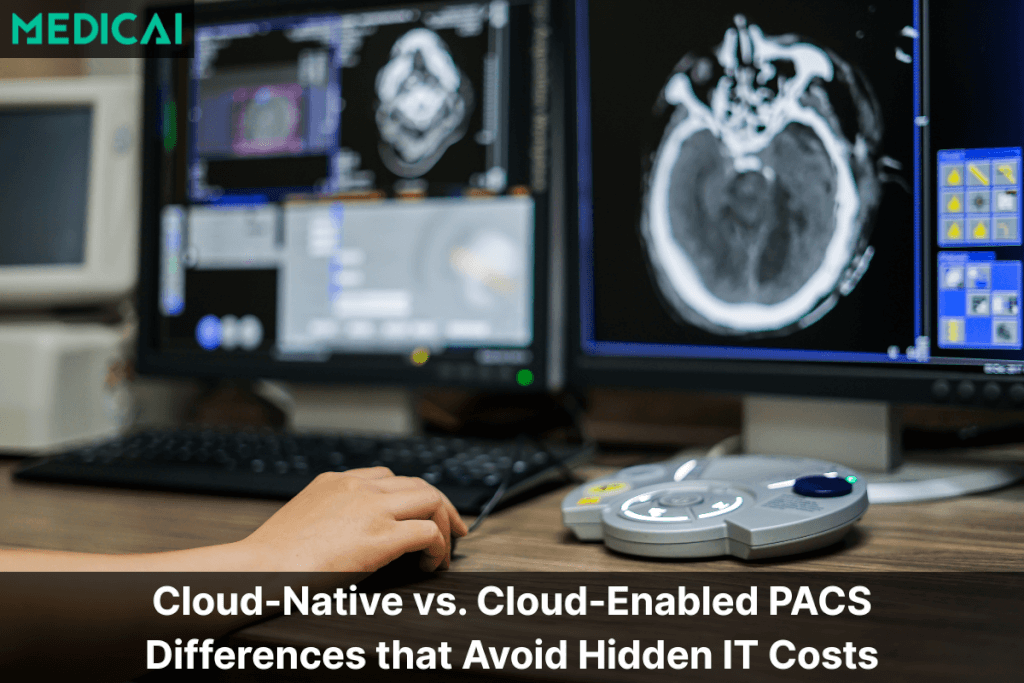
Cloud-Native vs. Cloud-Enabled PACS: Why the Difference Matters for 2026
The Teleradiology Tech Stack: Building a High-Performance Remote Reading Workflow
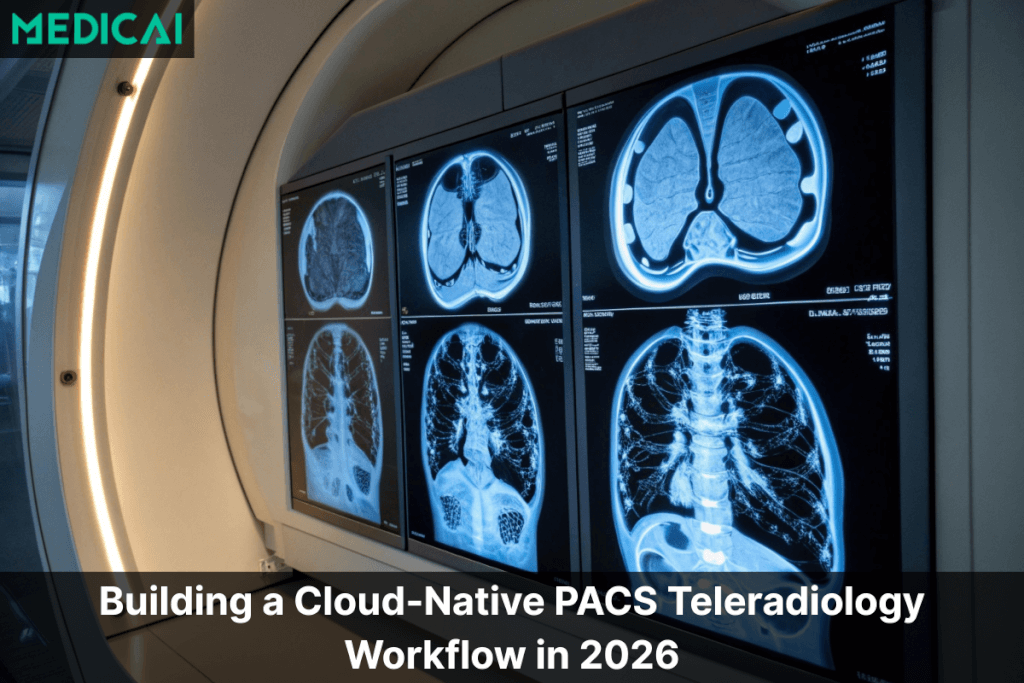
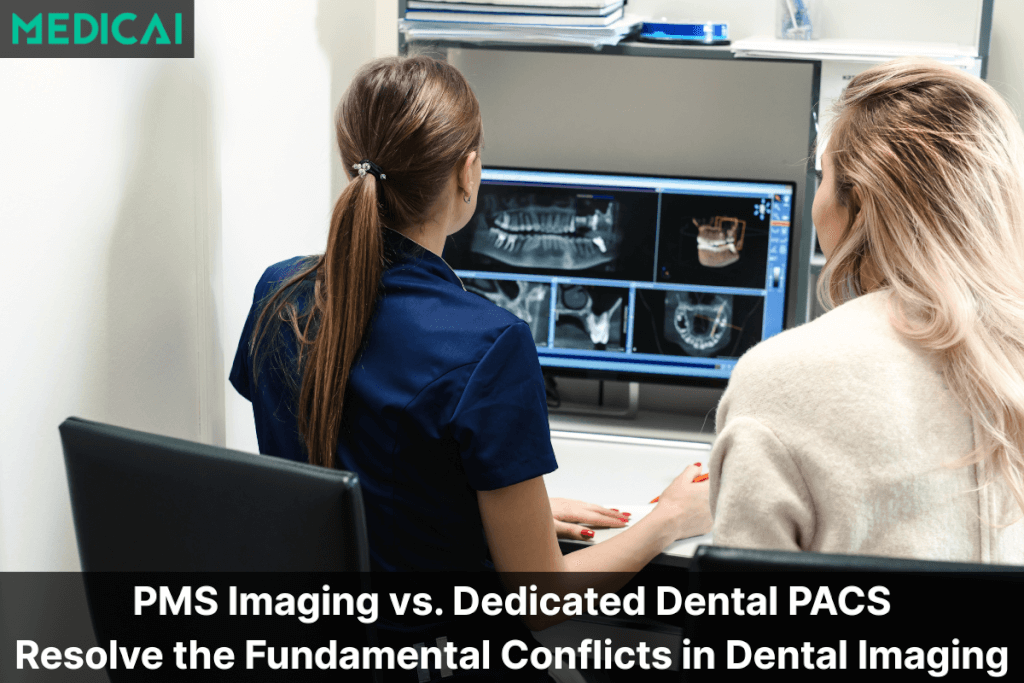
PMS Imaging vs. Dedicated PACS: Why Your Practice Management Software Isn’t Enough
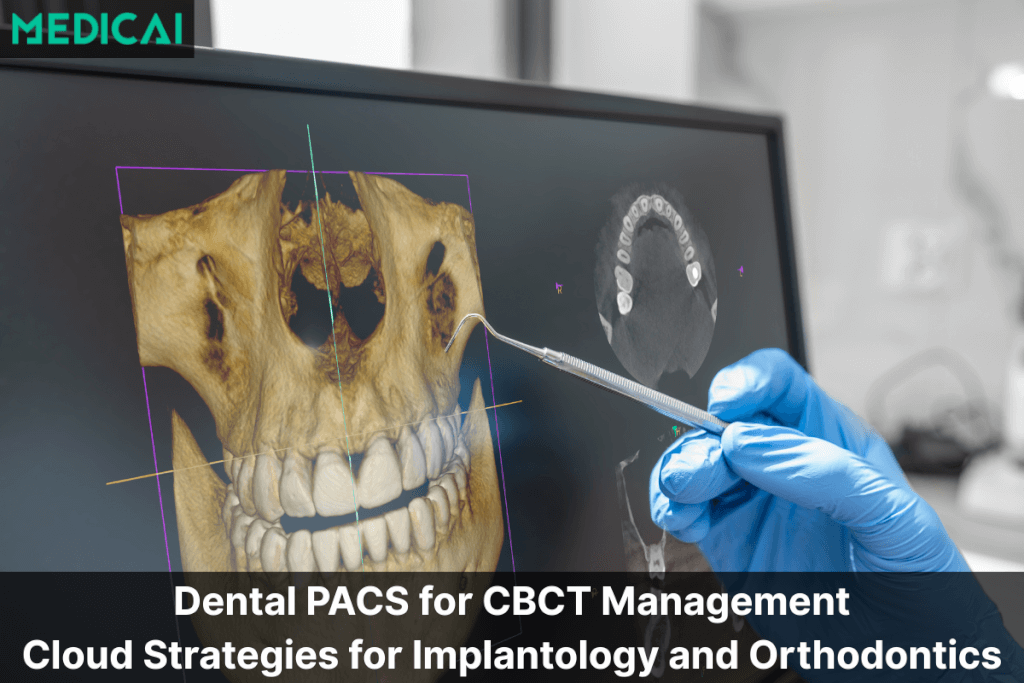
Taming the CBCT Beast: Cloud Strategies for Implantology and Orthodontics
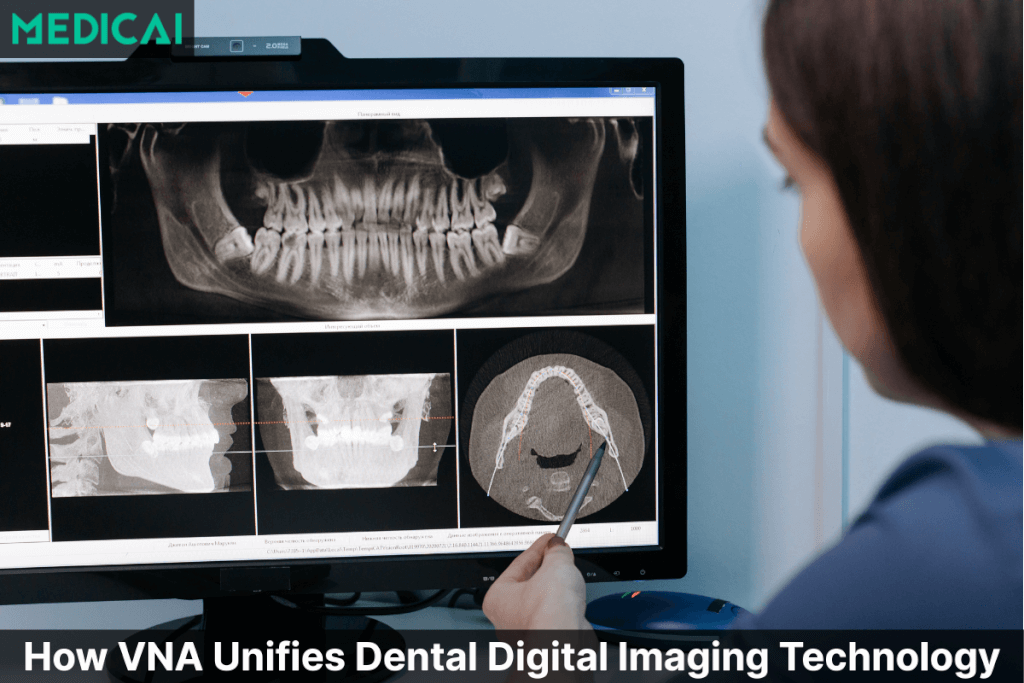
How VNA Technology Unifies Dexis, Schick, and Carestream
RIS vs PACS: A Visual Guide to the Radiology Workflow (From Order to Report)
Why DICOM Matters in Modern Radiology?
HL7 FHIR vs. V2 in Imaging: Why Your PACS Needs a Modern API
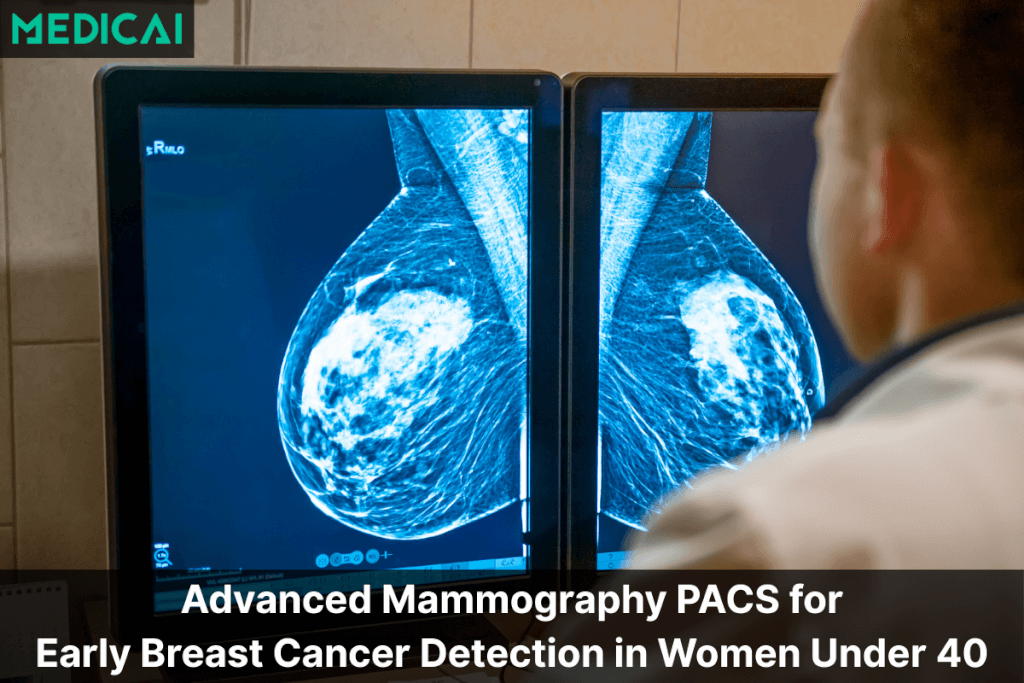
Mammography PACS & Tomosynthesis: Solving the “Heavy Data” Problem
What Is a Dangerous PSA Level? Understanding When High PSA Should Lead to MRI
Radiography vs Radiology: Understanding the Difference in Modern Medical Imaging
Hybrid PACS Architecture: The Technical Guide for Radiology IT
The PACS Migration Checklist: A CIO’s Guide to Switching Vendors Without Data Loss
How AI Document Extraction Accelerates Clinical Workflows
AI Data Extraction: Unlocking Hidden Value in Radiology Documents
From Upload to Insight: How AI Simplifies Patient Document Processing
Bringing Order to Chaos: The Role of AI in Medical Document Processing
How AI Document Processing Is Transforming Healthcare Administration
Specialty PACS Market: Trends, Growth, and Key Insights
VNA Radiology: The Future of Medical Image Archives
PACS System Radiology: Workflow, Benefits, and Challenges
How Large Language Models Transform Radiology Today
AI in Radiology: Building Trust in Reporting
From Manual to AI: The Future of Cardiac MRI Segmentation
Voice‑Enabled Radiology: From Dictation to Contextual Command
Why Structured Annotations Are the Future of Oncologic Reporting?
PACS for Urgent Care: Setup, Integrations, Best Practices
PACS Integration for Modern Veterinary Practices
Retrieval-Augmented Generation: The Missing Link Between AI and Radiology Accuracy
1.5T vs 3T MRI: Which Scanner Fits Your Clinical Needs?
How to Convert DICOM to JPEG in Minutes
Contrast MRI: From Prep to Image Clarity
How Deep Learning Revolutionizes Cardiac MRI Segmentation
From Scan to Diagnosis: How Does PACS Works
Brain Tumor MRI Image Segmentation Using Deep Learning Techniques
Liver Segmentation MRI: From Prep to 3D Masks
How Brain MRI Segmentation is Revolutionizing Neuroimaging
Pediatric PACS: The Future of Radiology in Children’s Hospitals
How To Choose The Best PACS Vendors for Cardiology Imaging
AI and PACS: Revolutionizing Radiology Practice
MRI vs MRA: Know the Purpose, Uses, and Risks
Why Does Every Urgent Care Center Need a Modern PACS System?
MRI Segmentation Across Ages and Organs
How Proper PACS Server Configuration Improves Imaging Speed, Access, and Collaboration
Veterinary Radiology and Ultrasound in the PACS Era
AI in Nuclear Cardiology: What’s Changing?
AI-Driven Insights in PACS and DICOM to Future-Proofing Personal Injury Case Management