Medical Imaging Technology
The Medical Imaging Technology category highlights the latest advancements and innovations in medical imaging. This section covers topics such as the development of new imaging techniques, improvements in diagnostic accuracy, and the integration of technologies like artificial intelligence and cloud-based solutions. Articles explore how these innovations are transforming the way healthcare professionals capture, analyze, and utilize imaging data to improve patient care and streamline medical workflows.
125 posts
Read MoreRemote Radiology: How Radiologists Are Embracing Work-from-Home Models
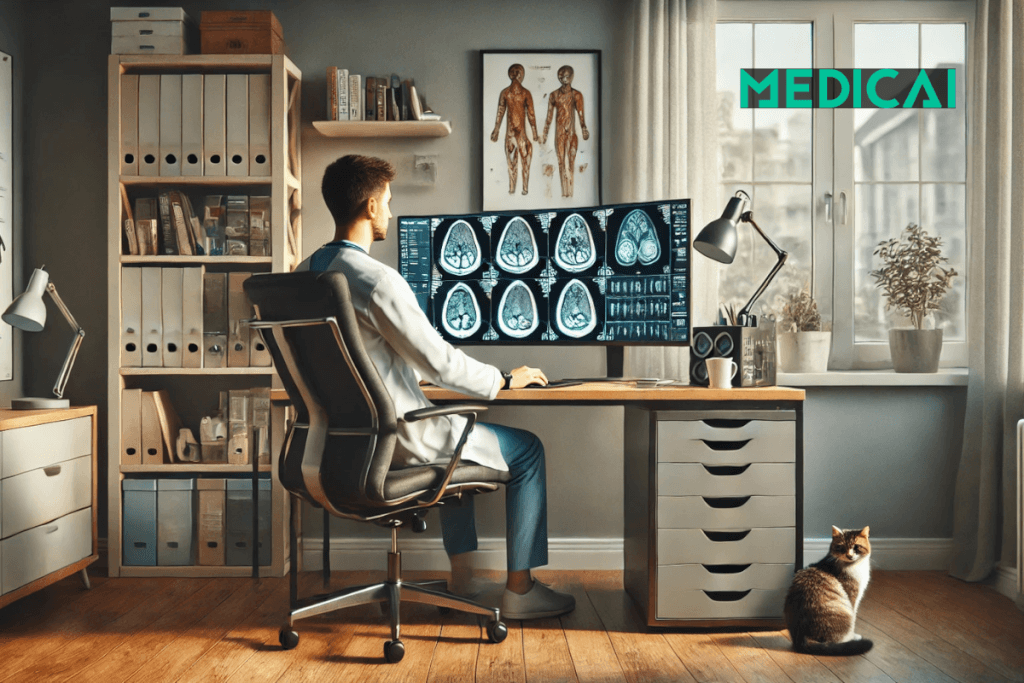
Remote Radiology: How Radiologists Are Embracing Work-from-Home Models Can radiologists work from home? Teleradiology allows radiologists to work from home and interpret X-rays, CT scans, MRIs, and other medical images remotely. Using secure PACS systems, cloud-based platforms, and AI-assisted diagnostics, remote radiologists can provide expert reports from anywhere....

Read MoreWhy Lawyers Need a Smarter Way to Handle Medical Images
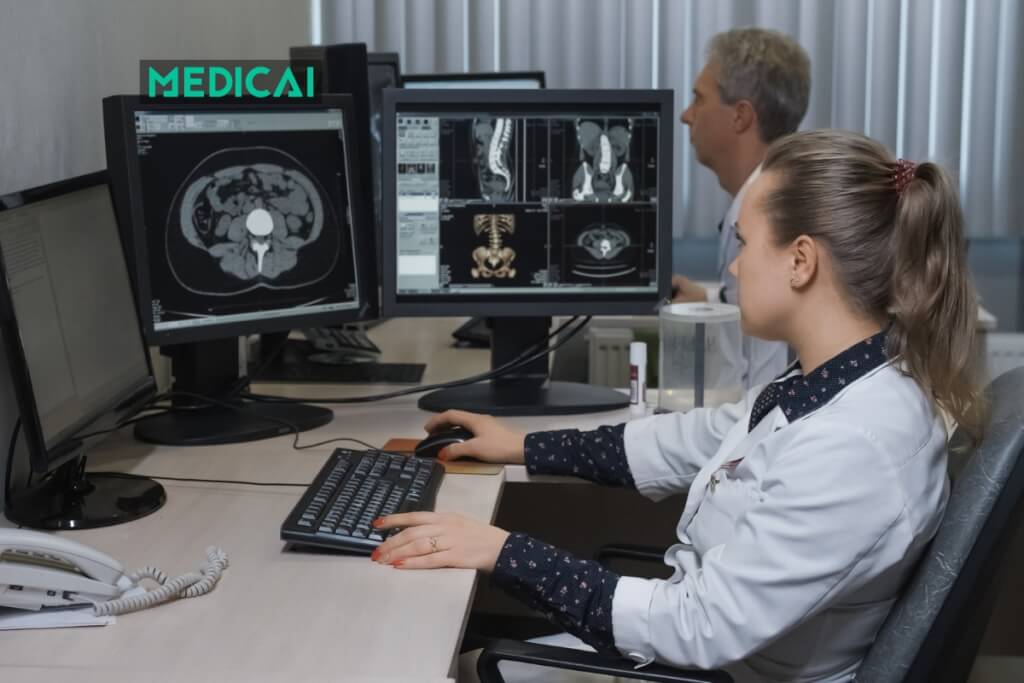
Why Lawyers Need a Smarter Way to Handle Medical Images In legal cases, medical imaging is more than just evidence—it’s the key to proving injuries, strengthening arguments, and winning higher settlements. But traditional image-sharing methods—CDs, emails, and manual file retrieval—are slow, outdated, and full of security risks. What if lawyers...

Read MoreAI For Oncology Imaging: Early Detection, Better Outcomes
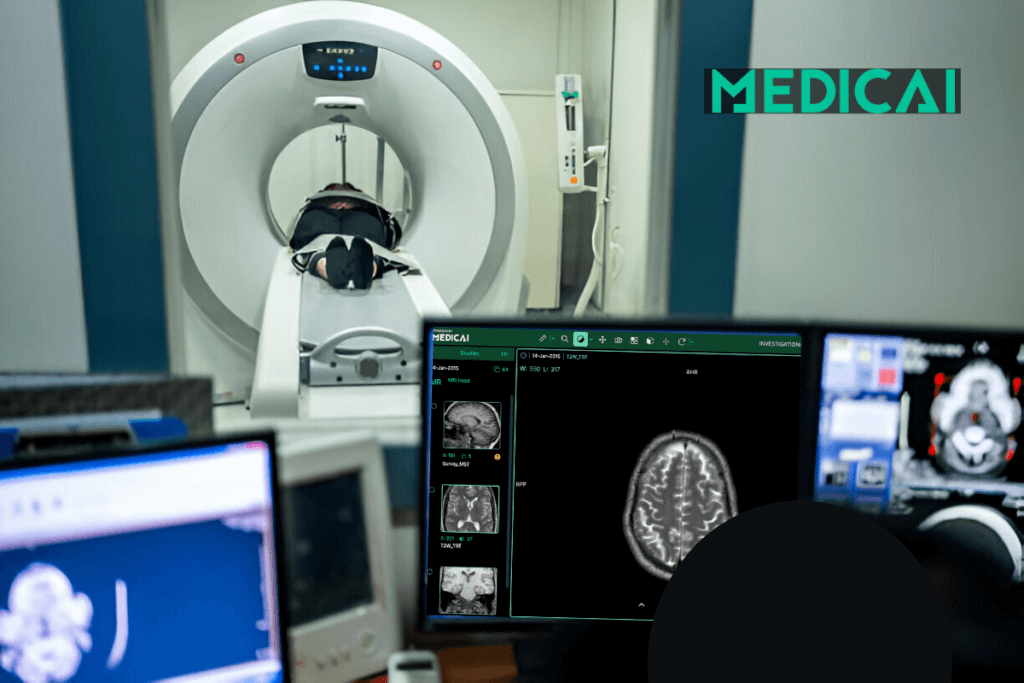
AI For Oncology Imaging: Early Detection, Better Outcomes Cancer detection and treatment are undergoing a radical transformation, and AI is at the heart of this evolution. With its ability to analyze complex imaging data, AI is helping oncologists detect cancer earlier, more accurately, and more efficiently than ever...

Read MoreHow PACS and RIS Systems Improve Imaging Workflows in Healthcare
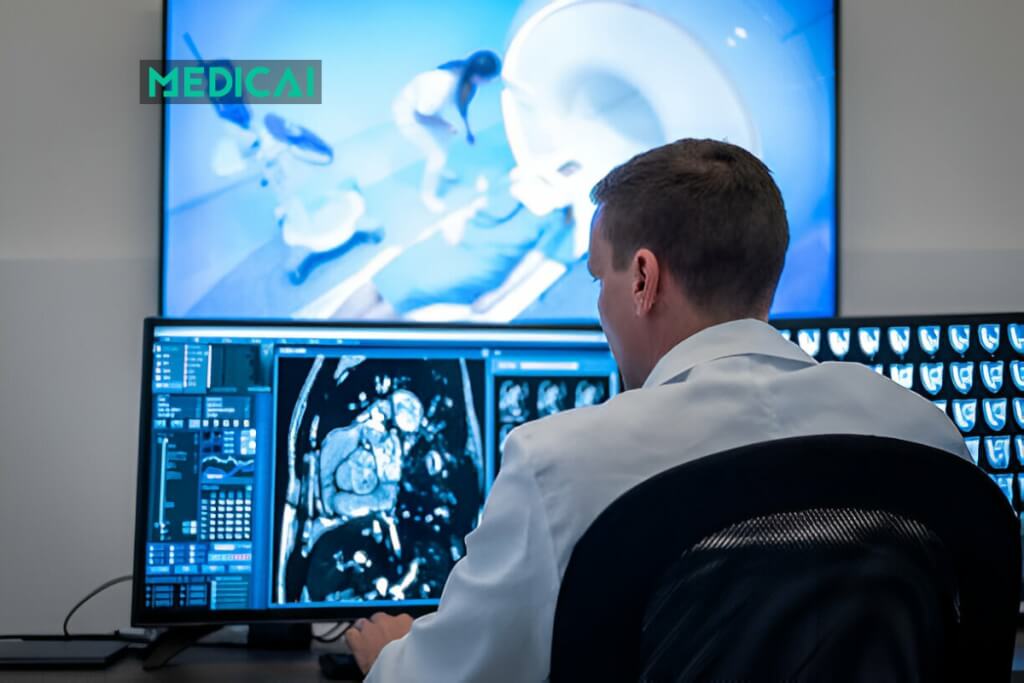
How PACS and RIS Systems Improve Imaging Workflows in Healthcare Imagine a radiologist receiving an urgent case at 3 AM. Instead of wrestling with slow servers and missing files, she instantly accesses high-resolution brain scans on her tablet, collaborates with specialists across the hospital, and delivers a life-saving diagnosis in...

Read MoreWhat is DICOM Viewer Functionality? Key Features You Need to Know
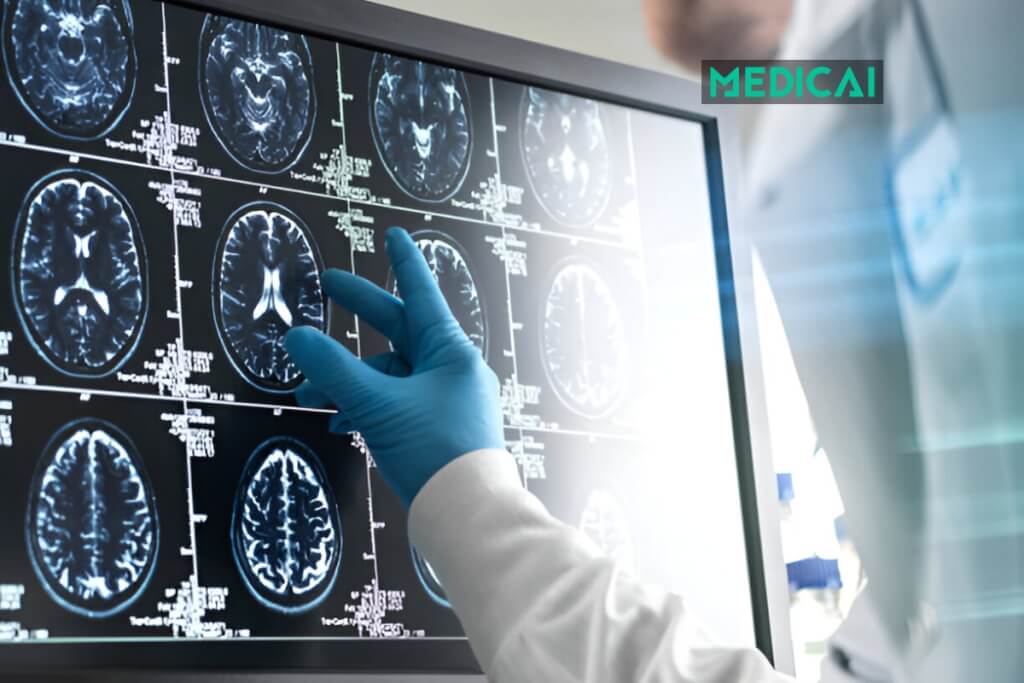
What is DICOM Viewer Functionality? Key Features You Need to Know A DICOM viewer isn’t just a tool—it’s the gateway to precise diagnostics, streamlined workflows, and better patient care. However, what does a strong and smart DICOM viewer offer? It’s DICOM viewer functionality. DICOM viewer functionalities include tools for viewing, analyzing,...

Read MoreWhy Enterprise Radiology Is the Future of Healthcare
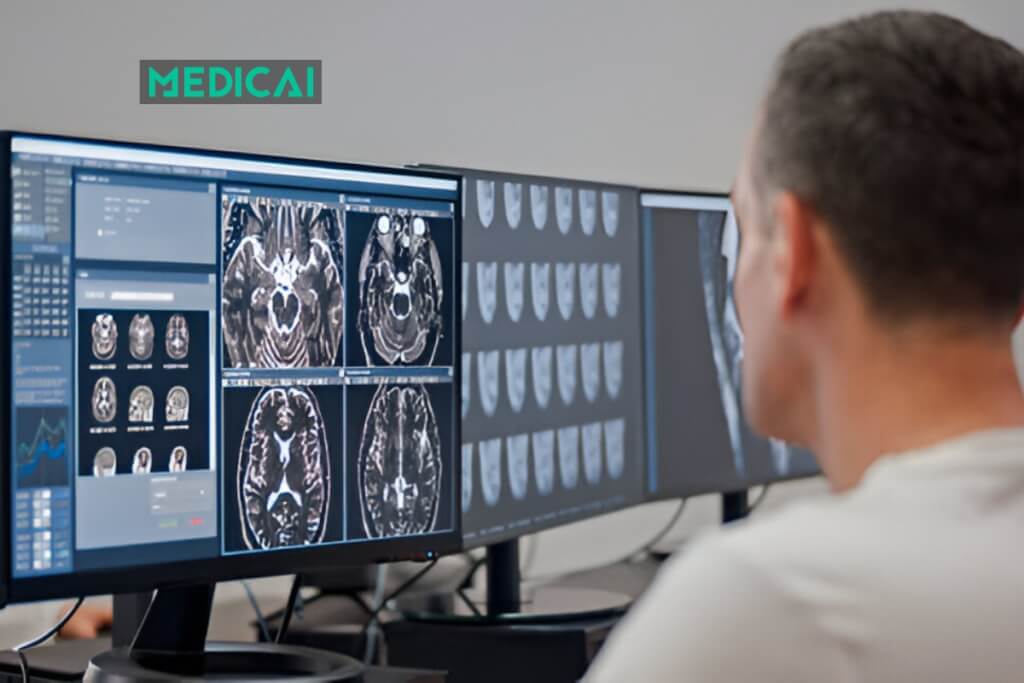
Why Enterprise Radiology Is the Future of Healthcare Every minute matters when a stroke patient arrives in the ER. As doctors race against time, they can’t afford to wait for critical brain scans stuck in transit between hospitals. While medical imaging has revolutionized disease diagnosis and treatment, outdated...

Read MoreWhy Telehealth Workflow Matters: Strategies for Better Virtual Care
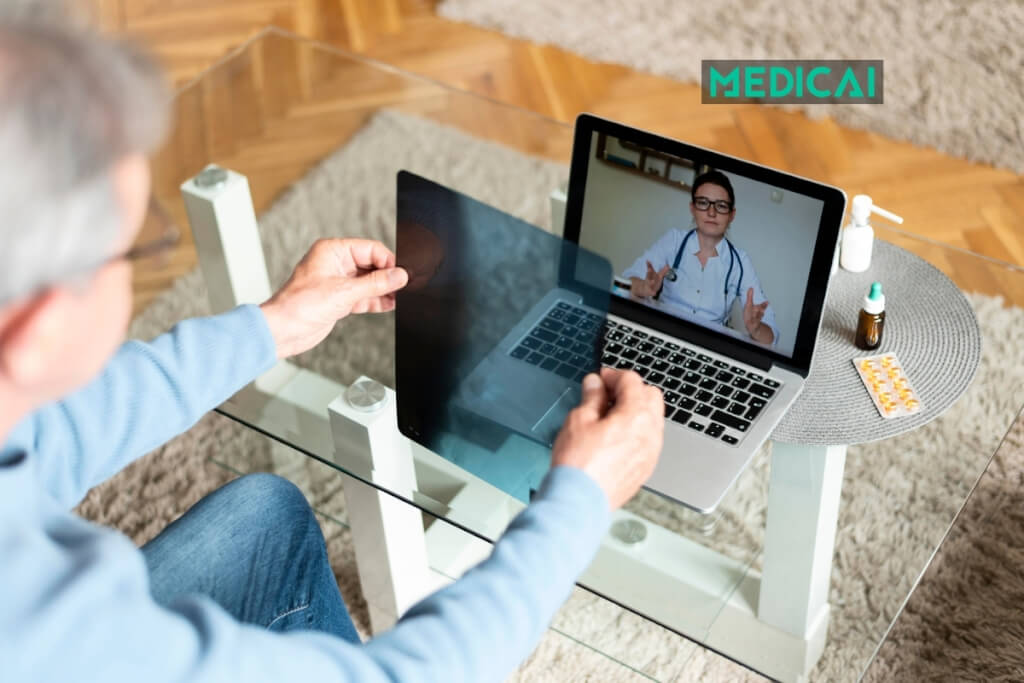
Why Telehealth Workflow Matters: Strategies for Better Virtual Care Have you ever had a frustrating telehealth experience—dropped calls, endless paperwork, or mismanaged follow-ups? While virtual care has transformed healthcare, a poorly structured telehealth workflow can create more problems than solutions. A strong telehealth workflow is the backbone of virtual...

Read MoreCan AI Improve Neurology Imaging? The Latest Advances in Brain Science
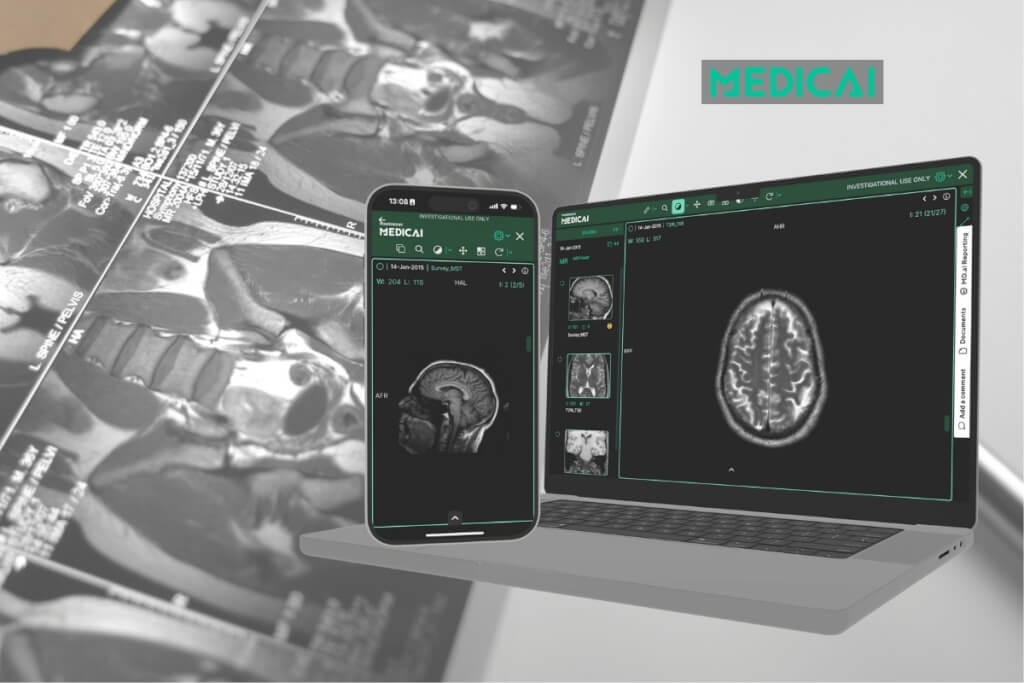
Can AI Improve Neurology Imaging? The Latest Advances in Brain Science AI is transforming neuroimaging by enhancing MRI, CT, PET, and EEG analysis with unmatched speed and accuracy. It detects tumors, strokes, and neurodegenerative changes early, assists radiologists in diagnostics, and personalizes treatment through predictive analytics, improving precision, efficiency, and patient...

Read MoreWhat Can an EEG Show That an MRI Cannot?
What Can an EEG Show That an MRI Cannot? An EEG shows what an MRI cannot: the brain’s electrical activity in real time. MRI captures brain structure — what the brain looks like. EEG captures brain function — what the brain is doing second by second. But what can...

Read MoreTop 10+ AI Solutions for Transforming Diagnostics Today
Top 10+ AI Solutions for Transforming Diagnostics Today Picture a world where diseases are detected early, radiologists and pathologists have advanced tools to identify hidden issues, and rapid diagnostics save lives daily. …That world is no longer a vision of the future—thanks to AI for medical diagnosis, it’s...

Read MoreHow To Choose A Cloud PACS Solution In 2025?
How To Choose A Cloud PACS Solution In 2025? Cloud-based Picture Archiving and Communication Systems (PACS) offer a powerful solution for managing medical images, enhancing collaboration, and improving efficiency. They are no longer a luxury but necessary to run a patient-centric healthcare system. However, how do you choose the...

Read MoreWhich is Better for Brain Imaging: MRI vs. CT Scan?
Which is Better for Brain Imaging: MRI vs. CT Scan? Brain imaging is vital in diagnosing neurological conditions, from injuries to diseases like tumors. MRI (Magnetic Resonance Imaging) and CT (Computed Tomography) scans are the most common among the many imaging technologies. But how do these methods compare, and which is better for...
