Veterinary Radiology and Ultrasound in the PACS Era

What if diagnosing your pet was as fast and seamless as ordering takeout from your phone?
Welcome to the world of modern veterinary radiology.
Veterinary radiology involves medical imaging technologies that help diagnose animal injuries, diseases, and abnormalities. Clinics now use tools like X-rays, CT, and MRI, providing vets with detailed insights into animal health. Veterinary radiology reveals what’s beneath the surface, whether for a limping dog or a coughing cat.
Let’s discover what veterinary radiology includes and how PACS transforms veterinary radiology and ultrasound practices.

What Is Veterinary Radiology?
Veterinary radiology is the branch of animal medicine that uses imaging technologies to see what’s happening inside an animal’s body, without making a single cut. It is crucial in diagnosing injuries, illnesses, and internal abnormalities in pets, livestock, and exotic animals.
From broken bones to tumors, heart conditions to swallowed objects, radiology helps vets visualize problems that can’t be detected through a physical exam alone.
The procedures are typically performed by board-certified veterinary radiologists, especially in referral or specialty centers. However, many general veterinary practitioners also use imaging in everyday care, especially with the rise of portable ultrasound machines and user-friendly digital tools.

Core Imaging Modalities in Veterinary Radiology
Veterinary radiology uses advanced imaging tools to help vets accurately diagnose various conditions. Each imaging modality has its strengths, depending on the body area and detail needed.
- X-ray (Radiography): X-ray is often the first imaging tool used in vet clinics. It’s fast, cost-effective, and excellent for examining bone fractures, lung conditions, foreign objects, and abdominal issues. While it doesn’t provide soft tissue detail, it remains the go-to for quick assessments and emergency cases.
- Ultrasound: Ultrasound specializes in soft tissue imaging, and it is commonly used for the heart (echocardiography), liver, kidneys, intestines, and reproductive organs. It aids in biopsies, detects fluid buildup, and monitors pregnancies in real time without radiation.
- CT (Computed Tomography): CT scans offer detailed, cross-sectional images of the body. They’re ideal for evaluating trauma, internal bleeding, and cancer, especially in the chest, abdomen, and head. CT is fast and precise, often used when more information is needed beyond a basic X-ray.
- MRI (Magnetic Resonance Imaging): MRI is the most advanced option, providing high-resolution images of soft tissues, especially the brain, spinal cord, joints, and nerves. It’s essential in diagnosing neurological, complex orthopedic problems, and spinal injuries, particularly in small animals.
The Expanding Role of Ultrasound in Veterinary Care
Over the past decade, ultrasound has gone from a specialty tool to a daily essential in many veterinary clinics. Its flexibility, safety, and real-time imaging make it one of the most versatile diagnostic tools in animal care.
Unlike X-rays, which give a static view, ultrasound offers dynamic imaging. Vets can watch organs in motion, assess blood flow, and perform real-time procedures like guided needle biopsies.
It’s especially valuable in cases like:
- Abdominal pain or suspected blockages
- Pregnancy monitoring
- Cardiac assessments through echocardiography
- Fluid detection in the chest or abdomen
And because ultrasound machines are compact and increasingly affordable, even small clinics now have access to this technology. Some handheld models can even connect to tablets or smartphones.
As a result, many general practitioners now perform ultrasounds as part of routine diagnostics, not just specialists.
But this growing reliance on ultrasound brings new challenges, especially when storing, sharing, and organizing the images. Each scan produces multiple frames, annotations, and possibly video loops. Without an innovative system in place, it’s easy for these files to get lost, mislabeled, or forgotten.
More vet clinics are turning to PACS, which can seamlessly manage radiographic and ultrasound images in one centralized platform. As ultrasound expands, so does the need for a digital infrastructure.

How PACS Enhances Veterinary Radiology
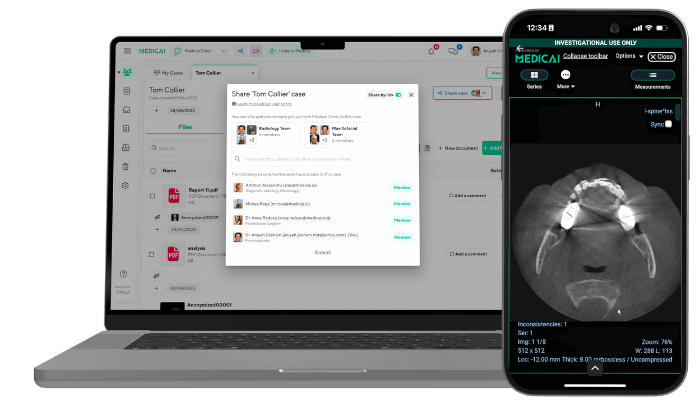
PACS, short for Picture Archiving and Communication System, is a centralized digital platform that stores, organizes, retrieves, and shares imaging files. It connects directly to imaging devices like X-ray machines, ultrasound units, CT scanners, and MRI systems. Everything captured is automatically archived in one secure location.
With the rise of cloud PACS vendors, even small veterinary clinics can now afford enterprise-grade imaging systems without complex hardware installations.
Let’s break down how PACS makes a difference in veterinary radiology:
Faster Access & Diagnosis
One of the biggest benefits of PACS is speed. As soon as an X-ray or ultrasound is taken, the image is instantly stored and accessible on any authorized device in the clinic.
That means:
- No waiting for manual transfers
- No delays due to misplaced files
- Immediate viewing for faster clinical decisions
This rapid access can be critical, especially in emergencies where every minute counts.
Remote Consultations and Teleradiology
Not every clinic has a board-certified radiologist on-site. With PACS, images can be securely shared with remote specialists in just a few clicks.
This opens the door to:
- Teleradiology services, even for rural or small practices
- 24/7 case reviews by off-site experts
- Collaborative care without transferring the patient
It’s a game-changer for both general practitioners and specialists.
Streamlined Client Communication
Explaining a diagnosis to a pet owner is easier when they can see the problem themselves.
With PACS, vets can:
- Pull up high-resolution images during consultations.
- Zoom in, annotate, and show side-by-side comparison.s
- Build trust through visual transparency.
This helps clients feel informed and confident in the care plan, which improves compliance and satisfaction.
Cost, Space, and Efficiency Gains
Going digital with PACS means saying goodbye to:
- Film development
- CD burning
- Bulky storage cabinets
Instead, everything is stored securely in the cloud or on-premises servers. The result?
Less clutter. Lower operational costs. More time for actual veterinary care.
Secure Archiving and Compliance
Veterinary clinics also need to maintain proper medical records, especially imaging.
PACS systems offer:
- Encrypted storage and backups
- Organized file management with search tools
- Long-term archiving for legal and medical history needs
This protects the clinic and ensures continuity of care for the animal over its lifetime.

Veterinary Radiology Workflow with PACS
Let’s walk through what a typical veterinary radiology workflow looks like with PACS in place:
Step 1: Image Acquisition
A patient arrives with his pet with a clinical concern, maybe a limp or abdominal pain.
The vet performs the appropriate imaging test: an X-ray, ultrasound, CT, or MRI.
As soon as the scan is complete, the images are:
- Automatically transferred to PACS via DICOM veterinary protocol
- Tagged with patient details, date, modality, and body region
- Stored securely in the system — no manual saving or file naming needed
Step 2: Review and Interpretation
Images are instantly available on any authorized device in the clinic.
The vet or an off-site radiologist can:
- View the images in high resolution
- Use built-in tools to zoom, rotate, measure, and annotate
- Compare with previous studies side-by-side
This accelerates the diagnostic process and reduces the chance of missed findings.
Step 3: Collaborative Review
If a second opinion is required, the image series can be securely shared with a specialist or teleradiologist. No need to send physical files or wait hours for transfers
The expert can review and report back, often within the same day. This is especially useful for clinics without in-house radiology staff or in emergencies.
Step 4: Client Consultation and Communication
With PACS, the vet can show the pet owner:
- Annotated images during the consultation
- Before-and-after comparisons (e.g., tumor shrinkage or bone healing)
- Visual support for recommending surgery or treatment plans
This builds trust and transparency, helping clients understand what’s happening and why it matters.
Step 5: Archiving and Follow-Up
All images are automatically archived in PACS, ensuring long-term access for future visits and legal and medical record compliance. It also helps in easy retrieval for follow-ups or referrals.
When the patient returns for re-evaluation, the team can pull up previous imaging in seconds and make informed decisions based on progression or healing..
Conclusion
Veterinary radiology and ultrasound are evolving fast, but clinics risk falling behind without the proper digital support. PACS brings structure and speed to every step of the imaging process, from diagnostics to long-term storage.
Medicai’s veterinary PACS solution is a secure, cloud-based system designed for busy clinics. It provides better imaging and improved patient care.


Related Articles

Lets get in touch!
Learn more about how Medicai can help you strengthen your practice and improve your patients’ experience. Ready to start your Journey?
Book A Free Demo