What is a zero footprint infrastructure for imaging data?
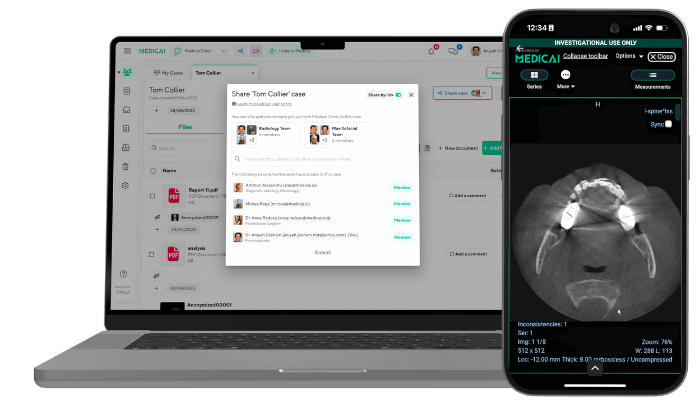
Zero footprint infrastructure refers to the concept of creating a digital environment that allows for the storage, viewing, and sharing of medical imaging data without the need for any additional software or hardware. This type of infrastructure is becoming increasingly important as the healthcare industry continues to shift towards digitalization and the use of electronic health records (EHRs).
One of the main benefits of zero-footprint infrastructure is that it allows for easy access to imaging data from any location. This is especially important for healthcare providers who need to share patient information with specialists or other healthcare professionals in different locations. With zero-footprint infrastructure, healthcare providers can easily access and share medical images, such as X-rays and MRI scans, without the need for additional software or hardware.
Another benefit of zero-footprint infrastructure is that it allows for the seamless integration of medical imaging data with other types of healthcare data, such as lab results and patient information. This can help to improve the overall quality of care by providing healthcare providers with a more complete picture of a patient’s health. Additionally, zero-footprint infrastructure can help to reduce costs by eliminating the need for expensive software and hardware.
1. There are several key components to a zero-footprint infrastructure for medical imaging. One of the most important is a powerful and flexible image viewer that can display a wide variety of medical images, such as X-rays, CT scans, and MRI scans. This viewer should also be able to integrate with other types of healthcare data, such as lab results and patient information.
2. Another important component is a robust and secure data storage system that can safely and efficiently store large amounts of medical imaging data. This system should be able to handle the large file sizes associated with medical images and should also be able to integrate with other types of healthcare data.
3. Another important component of the zero-footprint infrastructure is a streamlined and user-friendly interface that allows healthcare providers to easily access and share medical imaging data. This interface should be intuitive and easy to use, even for those who are not familiar with medical imaging technology.
4. In addition to these key components, zero-footprint infrastructure should also include a range of other features, such as the ability to customize the viewing and sharing of medical images, the ability to add notes and annotations to images, and the ability to create and share patient reports.
Overall, zero footprint infrastructure is an important concept that can help to improve the overall quality of care by providing healthcare providers with easy access to medical imaging data. By eliminating the need for additional software and hardware, zero-footprint infrastructure can also help to reduce costs and improve the efficiency of healthcare delivery.
However, it is important to note that implementing zero-footprint infrastructure can be a complex and challenging task, and it may require significant resources, both in terms of time and money. It is important for healthcare providers to carefully evaluate their specific needs and requirements before embarking on a zero-footprint infrastructure project.
In conclusion, zero-footprint infrastructure is an important concept in healthcare that allows for the storage, viewing, and sharing of medical imaging data without the need for additional software or hardware. This type of infrastructure can help to improve the overall quality of care by providing healthcare providers with easy access to medical imaging data and can help to reduce costs by eliminating the need for expensive software and hardware. However, it is important for healthcare providers to carefully evaluate their specific needs and requirements before embarking on a zero-footprint infrastructure project.

Related Articles

Lets get in touch!
Learn more about how Medicai can help you strengthen your practice and improve your patients’ experience. Ready to start your Journey?
Book A Free Demo