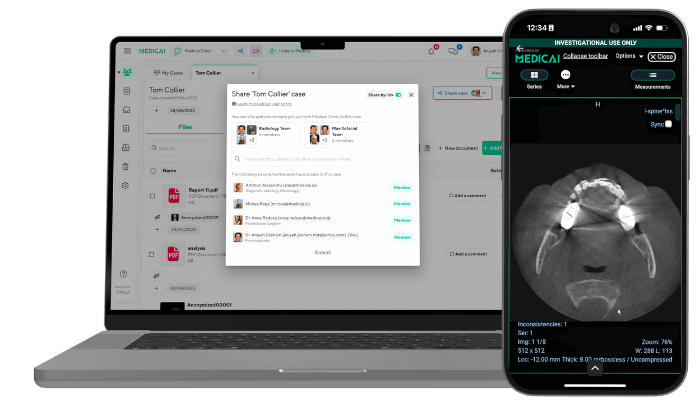
Telemedicine Workflow: Key Steps for Virtual Healthcare Success

Expert medical care at home – telemedicine indeed has made this impossible possible!
Telemedicine has transformed healthcare delivery by making it more accessible, efficient, and patient-centered. Behind this successful virtual consultation lies a well-defined telemedicine workflow.
A telemedicine workflow is a step-by-step process that guides remote healthcare delivery. It includes scheduling, preparation, consultation, documentation, and follow-up. The streamlined process ensures efficiency, compliance, and a smooth experience for patients and providers.
Let’s dig deeper into the steps of telemedicine workflows.
Key Components Of A Telemedicine Workflow
A telemedicine workflow is a step-by-step process that helps healthcare providers to deliver care virtually effectively. It involves everything – from booking an appointment to managing follow-ups.
The primary purpose of telemedicine workflow is to make remote healthcare delivery as smooth as possible, like an in-person visit. Unlike traditional healthcare workflow, telemedicine adds technological complexity, requiring platforms, secure connections, and compliance with data protection laws.
Telemedicine workflow ensures timely patient care without needing to travel long distances. For healthcare providers, it facilitates streamlined operations, better resource management, and a more efficient allocation of time and expertise.
A telemedicine workflow comprises several interconnected components.
- Scheduling: It includes patients scheduling telemedicine appointments online, via a portal, or by phone. The healthcare team verifies eligibility and informs patients about the appointment, required technology, and pre-visit preparations.
- Patient Intake: Telemedicine primarily involves virtual consultations, during which doctors connect with patients via a secure video platform. During these sessions, they assess symptoms, provide advice, and manage treatments while verifying connectivity and addressing patient concerns.
- Documentation: Doctors record visit details in the patient’s Electronic Health Record (EHR), including diagnoses, treatments, and follow-up care plans.
- Follow-Up: Telemedicine provides continuity of care by scheduling follow-up appointments, sharing educational resources, and coordinating tests. Patients may also receive prescription reminders or surveys about their telehealth experience.
Telemedicine Workflow: Step-by-Step Stages
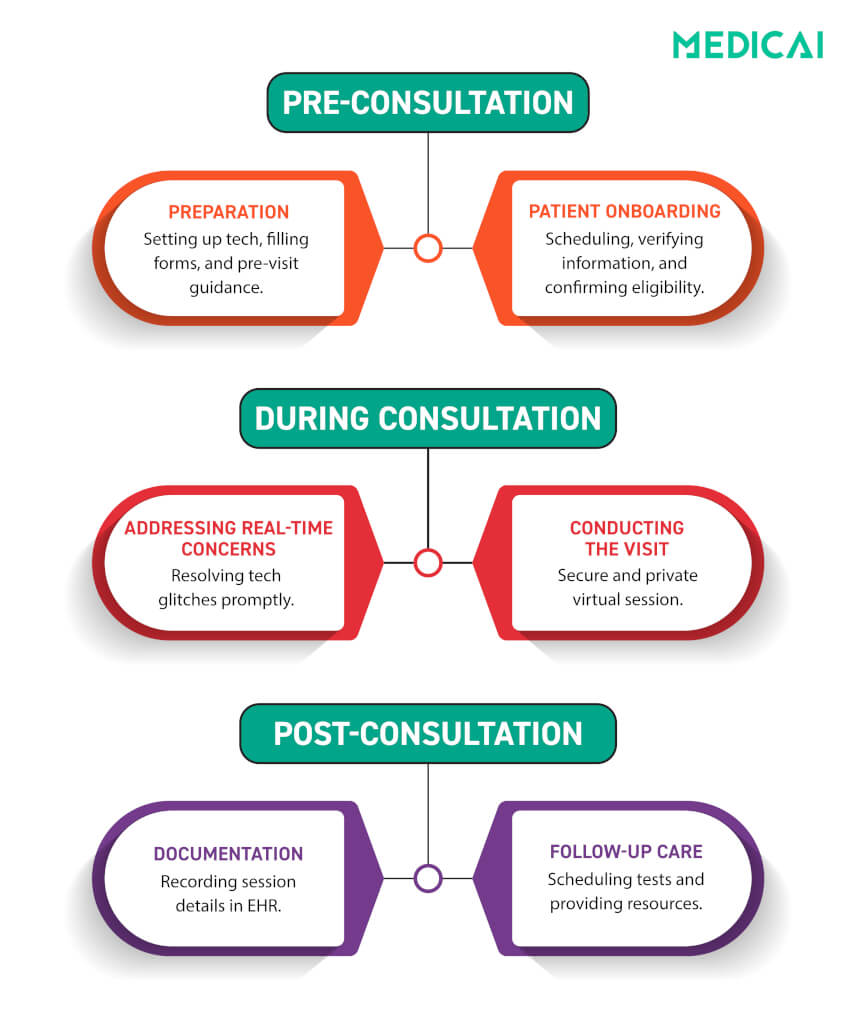
Telemedicine workflow involves 3 stages – pre-consultation, during the consultation, and post-consultation.
Pre-Consultation
Pre-consultation is the foundation stage of a successful telemedicine visit. It involves patient onboarding, technology preparation, and necessary documentation completion.
Patient Onboarding
It’s the first step in the pre-consultation stage. This step involves scheduling appointments, verifying insurance information, and confirming whether the patient’s health concern is suitable for telemedicine.
For example, a routine follow-up for managing diabetes is ideal for telehealth, whereas a patient showing symptoms of stroke needs hands-on care and an in-person visit.
Telemedicine scheduling is usually patient-friendly, offering flexible slots and automated reminders to reduce no-shows. During this step, healthcare staff also confirm whether the chosen provider has the expertise to address the patient’s condition.
Preparation
During this step, patients are guided on how to set up the required technology. It may involve downloading apps, testing internet connectivity, and checking video or audio equipment.
In this step, patients must complete intake forms and provide relevant medical history before the session. They also learn how the session will unfold, what to expect, and how to handle technical issues to ensure a seamless session.
The whole process builds trust and reduces anxiety in patients, especially for first-time telemedicine users.
During The Consultation
It’s the most crucial part of the telemedicine workflow.
Conducting The Visit
The consultation begins with the provider ensuring a secure and stable connection on a HIPAA-compliant telemedicine platform like Medicai. The provider then verifies the patient’s identity and confirms the reason for the visit.
The provider focuses on creating a comfortable and engaging virtual environment, using empathetic communication to build rapport.
Addressing Real-Time Concerns
Technical issues like dropped connections or audio problems can arise during telemedicine visits. Providers need to handle these glitches promptly to avoid disruptions. Most telemedicine platforms offer built-in troubleshooting tools like bandwidth checks or backup communication options, like phone calls.
For example, if a patient’s video feed freezes, the provider might switch to an audio call to continue the consultation without losing valuable time.
Post Consultation
The post-consultation phase ensures the continuity of patient care.
Documentation
Good documentation is crucial for following regulations, billing, and keeping a complete medical history. Providers write down details of the visit in the Electronic Health Record (EHR), including the diagnosis, treatment plan, and any medications prescribed.
The documentation states that the session was held online, which is often needed for insurance claims.
For example, after a telemedicine visit for seasonal allergies, the provider notes the patient’s symptoms, prescribes antihistamines, and offers lifestyle recommendations.
The whole process helps clarify the care plan for future reference and follow-up appointments.
Follow-Up Care
Follow-up care is super crucial for good patient outcomes. After the consultation, providers may prescribe medications, arrange lab tests, or schedule more appointments. Patients often receive educational materials or self-care instructions to help with their treatment plans.
Collecting feedback through surveys or questionnaires also helps improve the telemedicine workflow, ensuring a better patient experience in future interactions.
Specialty-Specific Telemedicine Workflows
Telemedicine workflows cater to various medical specialties, such as neurology, oncology, orthopedics, and cardiology, ensuring patients receive effective virtual care throughout their treatment.
Telemedicine Workflow in Neurology
Neurology has embraced telemedicine for conditions like migraines, epilepsy, and Parkinson’s disease.
Before the season, patients upload brain scans, test results, or medical histories through a secure platform. During the consultation, neurologists conduct live assessments of motor functions and reflexes.
Real-time EEG data sharing also monitors and diagnoses conditions like seizures.
Follow-up care involves reviewing EEG reports, modifying medications, and scheduling future appointments to monitor progress.
Telemedicine Workflow in Oncology
Before the session, oncologists review recent lab results, imaging studies, and treatment progress. It helps them prepare to address the patient’s current status and next steps.
Virtual sessions focus on symptom management, discussing treatment side effects and patient concerns. Sometimes, oncologists collaborate with other specialists via integrated telemedicine platforms like Medicai for coordinated care.
Telemedicine Workflow in Orthopedics
Orthopedic workflow focuses on injury follow-ups, virtual physical therapy, and surgical planning.
Patients share X-rays, MRIs, or other imaging results through the telemedicine platform. Then, providers guide patients through virtual physical assessments, such as observing the range of motion or identifying pain points.
Providers also provide post-surgical consultations, such as guidance about wound care, recovery milestones, physical therapy plans, etc.
Telemedicine Workflow in Cardiology
Cardiologists review real-time data from wearable devices like heart rate monitors, blood pressure cuffs, or ECG trackers. Patients also upload previous lab results or imaging studies to the platform for thorough preparation.
Virtual consultations assess lifestyle changes and symptom progression. Follow-up usually includes reviewing imaging results and coordinating lab tests.
Tools And Technologies Supporting Telemedicine Workflows
Telemedicine workflows depend hugely on advanced tools and technologies. These tools and technologies make sure that the session runs smoothly and securly.
Telemedicine Platforms
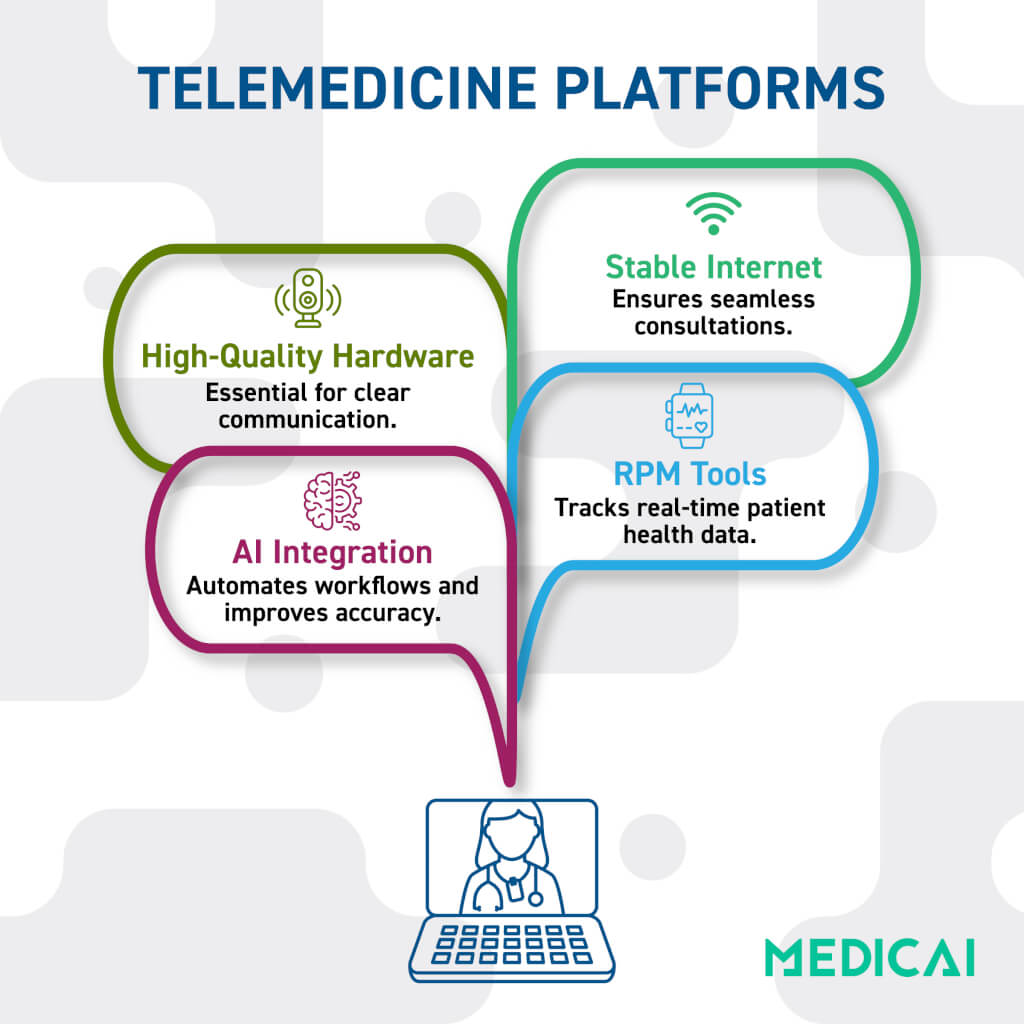
A reliable telemedicine platform is necessary for a successful healthcare setup. These platforms are designed to facilitate secure, HIPAA-compliant interactions between patients and providers while enhancing the overall care experience.
User-Friendliness
A user-friendly interface is essential for patients and providers, ensuring that technical barriers don’t hinder care delivery. Platforms like MediAI, with intuitive navigation, one-click access to video calls, and integrated patient portals, make the experience seamless.
Security and Compliance
Telemedicine platforms must follow strict privacy rules like HIPAA to protect patient information. They use end-to-end encryption, multi-factor authentication, and secure data storage to protect all communications and records from unauthorized access.
Medicai’s HIPAA-compliant infrastructure ensures secure and private interactions. Integrating with EHR systems simplifies workflows, allowing providers to focus on exceptional care.
Essential Hardware
While the software is crucial in telemedicine, the hardware used in the session also needs appreciation.
High-Quality Webcams and Microphones
Clear audio and video are crucial for successful communication during telemedicine consultations. They build trust and make the session effective.
High-quality webcams provide sharp visuals that help providers observe subtle details such as facial expressions, rashes, or swelling.
Similarly, good microphones ensure that conversations are clear and uninterrupted. It makes the best use of time to minimize misunderstandings.
Internet Connection
A strong and stable internet connection is a must for any telemedicine session. A slow and unreliable connection can lead to dropped calls, poor video quality, and frustrated users.
Providers often recommend a minimum bandwidth of 3 Mbps for video calls to ensure smooth interaction.
Provider-Specific Tools
Healthcare providers may require additional tools, such as dual monitors for managing patient records with video consultations or diagnostic devices like digital stethoscopes for remote examinations.
The patient might also need basic accessories like headphones to maintain session privacy.
Advanced Technologies
Advanced technologies are the drivers of telemedicine, making the workflows smarter, faster, and more efficient.
AI and Machine Learning
AI helps immensely by automating routine tasks like appointment scheduling, case triaging, and preliminary diagnosis. Machine learning algorithms assist providers by identifying patterns in imaging or lab results, boosting diagnostic accuracy and efficiency.
Medicai uses AI to optimize telemedicine workflows by automating administrative tasks and analyzing patient data for useful insights.
Remote Patient Monitoring (RPM)
RPM tools help providers track patient health in real-time, even between appointments. Devices such as blood pressure monitors, glucose meters, and wearable fitness trackers send data directly to providers.
These advanced tools allow providers to monitor patients remotely and intervene when necessary.
Optimizing Telemedicine Workflows
Let’s see how telemedicine workflows can be fine-tuned for maximum efficiency.
Best Practice For Efficiency
Streamlined processes in telemedicine can save time and improve patient and provider experience.
- Automating Routine Tasks: Providers can enhance efficiency by automating repetitive tasks such as appointment scheduling, reminders, and billing. These systems also minimize the risk of human error.
- Implementing Patient Reminders: Missed appointments are common in telemedicine. Automated reminders via email, SMS, or app notifications can significantly reduce no-show rates.
- Integrating Telemedicine Platforms with EHRs: The integration helps providers to access patient histories, document consultations, and update treatment plans in one place.
Training and Support for Providers
No matter how advanced the technology, the success of a telemedicine workflow ultimately depends on the people using it.
- Training on Technology: Regular training sessions can familiarize them with the platform’s features, troubleshoot common problems, and streamline virtual consultations.
- Improving Patient Communication Skills: To build trust, providers should maintain eye contact with the camera, use clear language, and engage actively with patients. Practicing role-playing scenarios in training sessions can help them develop these skills.
- Handling Virtual Sessions: Priverse must be trained to handle unexpected challenges. Training can include tips for managing these situations, such as switching to audio-only calls when video connections fail or guiding patients through technical troubleshooting.
Customizing Workflows
Every healthcare specialty and patient demographic comes with unique needs. Customizing workflows can help.
- Tailoring To Specialties: A mental health provider may prioritize a calm virtual environment, while a dermatologist needs a high-resolution camera for accurate assessments. Customizing workflows for each specialty ensures providers have the tools to meet patient expectations.
- Adapting for Patient Demographics: Patients have different tech skills and preferences. Younger patients prefer apps, while older ones need more guidance. Providers can customize support and onboarding for diverse needs.
- Scaling Workflows for Larger Practices: Custom workflows can manage multiple appointments simultaneously, utilizing automation and support staff for efficiency. Medicai.io’s scalable platform accommodates practices of all sizes, ensuring personalized care without sacrificing efficiency.
Benefits of Streamlined Telemedicine Workflows
The advantage of telemedicine workflow is immense.
Improved Access to Care
- Streamlined workflows connect patients in rural and underserved areas with specialists.
- Enable faster consultations for time-sensitive conditions, ensuring no patient is left without care.
Enhanced Patient Experience
- Reduce wait times with efficient scheduling and quick access to providers.
- Build trust through clear communication and seamless virtual interactions.
- Empower patients with user-friendly platforms and consistent follow-up care.
Increased Provider Efficiency
- Balance workloads by automating repetitive tasks like reminders, intake forms, and documentation.
- Allow providers to focus on patient care by minimizing administrative distractions.
- Enable healthcare teams to manage larger patient volumes without compromising quality.
Cost Savings for Healthcare Facilities
- Eliminate the need for extensive physical infrastructure, such as waiting rooms or additional staff.
- Reduce operational expenses by automating workflows and handling more appointments virtually.
- Lower travel costs for providers and patients, making care more affordable and accessible.
Telemedicine vs. Telehealth
Telehealth and telemedicine are often confused, but they have different meanings in healthcare.
| Aspect | Telemedicine | Telehealth |
| Definition | Focuses specifically on clinical services like diagnosis, treatment, and management of medical conditions. | Encompasses a broader range of healthcare services, including non-clinical aspects like education and administration. |
| Scope | Deals exclusively with patient-provider interactions for diagnosing and treating illnesses remotely. | This includes patient-provider interactions, public health initiatives, wellness programs, and administrative meetings. |
| Participants | Primarily involves physicians, nurses, and other licensed clinical professionals. | Involves a wider range of participants, including administrators, educators, and support staff. |
| Technology Used | Focuses on tools for secure video consultations, EHR integration, and diagnostic workflows. | Incorporates various tools, such as health education platforms, wearable devices, and administrative tools. |
Conclusion
A streamlined telemedicine workflow is vital for efficient virtual care. It provides a smooth experience for patients and providers. By simplifying processes and using advanced technology, healthcare providers can deliver high-quality, accessible care.
Platforms like Medicai.io empower providers to optimize workflows, improving outcomes and redefining the future of telemedicine.


Related Articles

Lets get in touch!
Learn more about how Medicai can help you strengthen your practice and improve your patients’ experience. Ready to start your Journey?
Book A Free Demo